
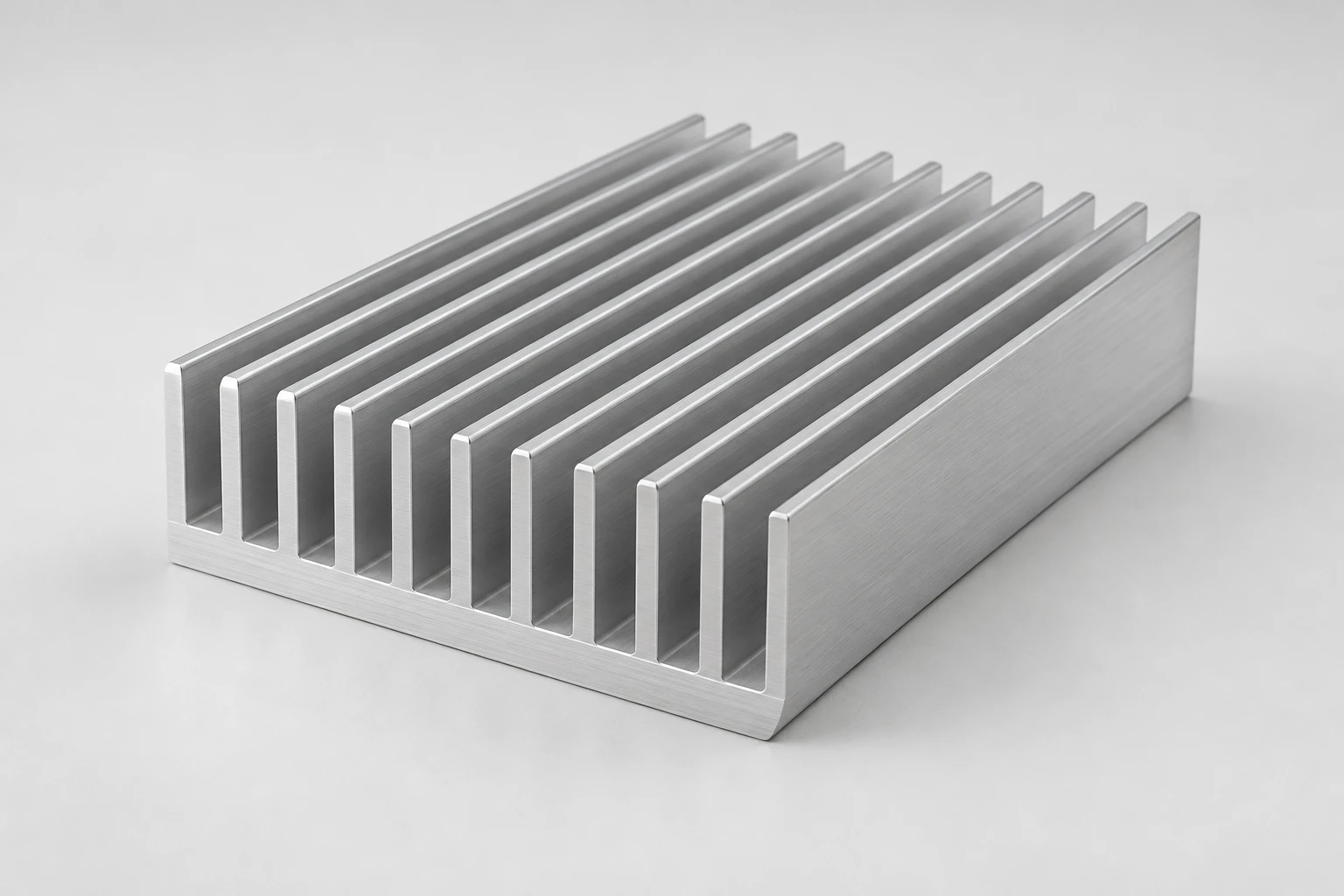
Heat Sink Profiles
Finned Heat Sink Profile
Standard and custom cross-sections; specify width, height, base, fins and finished length by drawing
Straight-fin aluminum heat sink extrusions
View profile details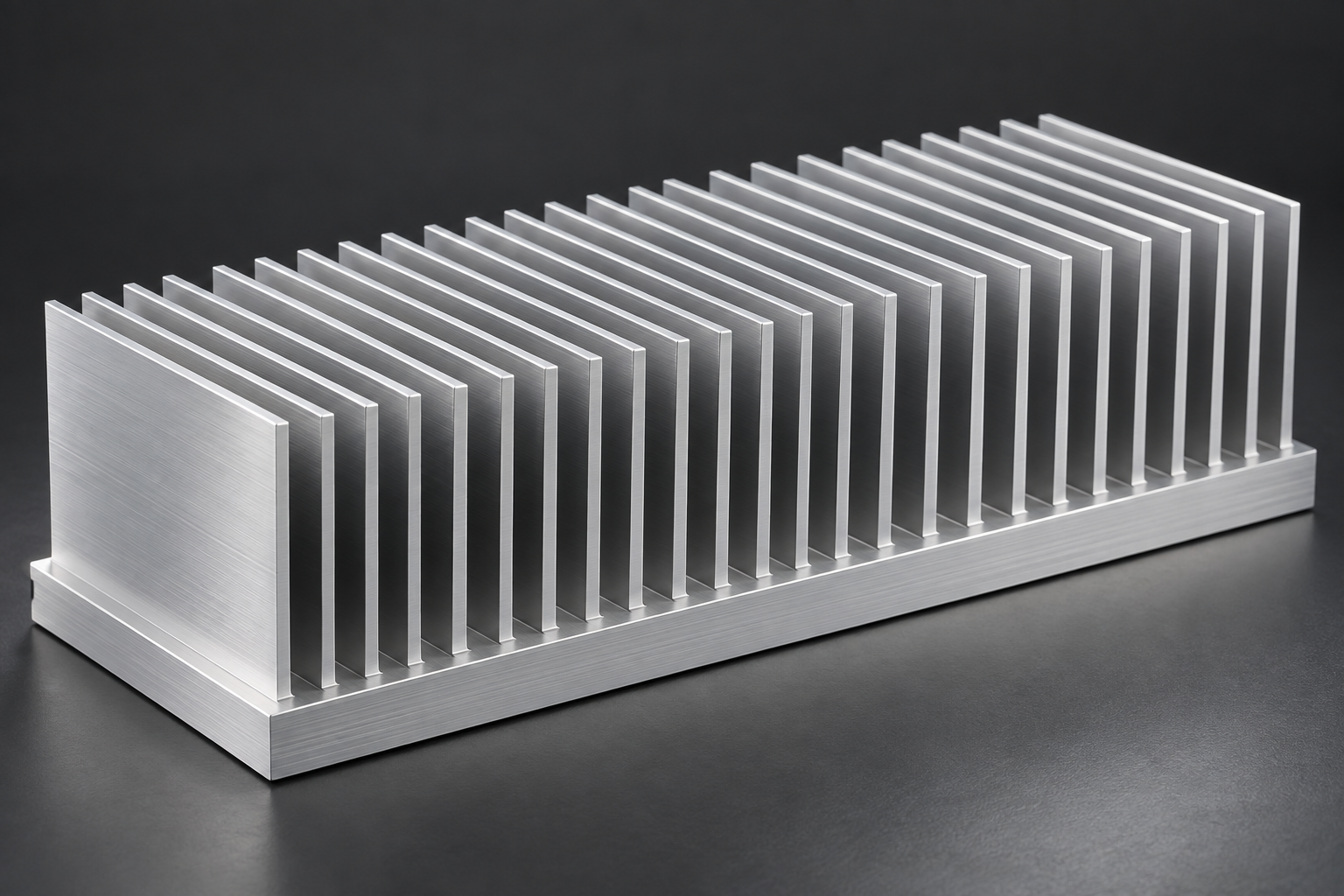
Explore the sourcing path for an aluminum extrusion heat sink. Start with a published section when it fits, or share a drawing and thermal operating conditions to discuss a profile requirement. Cooling performance depends on the complete application and must be evaluated against its actual operating conditions.
Check published profilesPublished heat sink profiles
Published product entries appear here when they are available in this catalog and assigned to this page. If no entry matches your section, a drawing-led inquiry is a useful next step.
Showing 2 of 2 matching profiles
Heat Sink Profiles
Standard and custom cross-sections; specify width, height, base, fins and finished length by drawing
Straight-fin aluminum heat sink extrusions
View profile details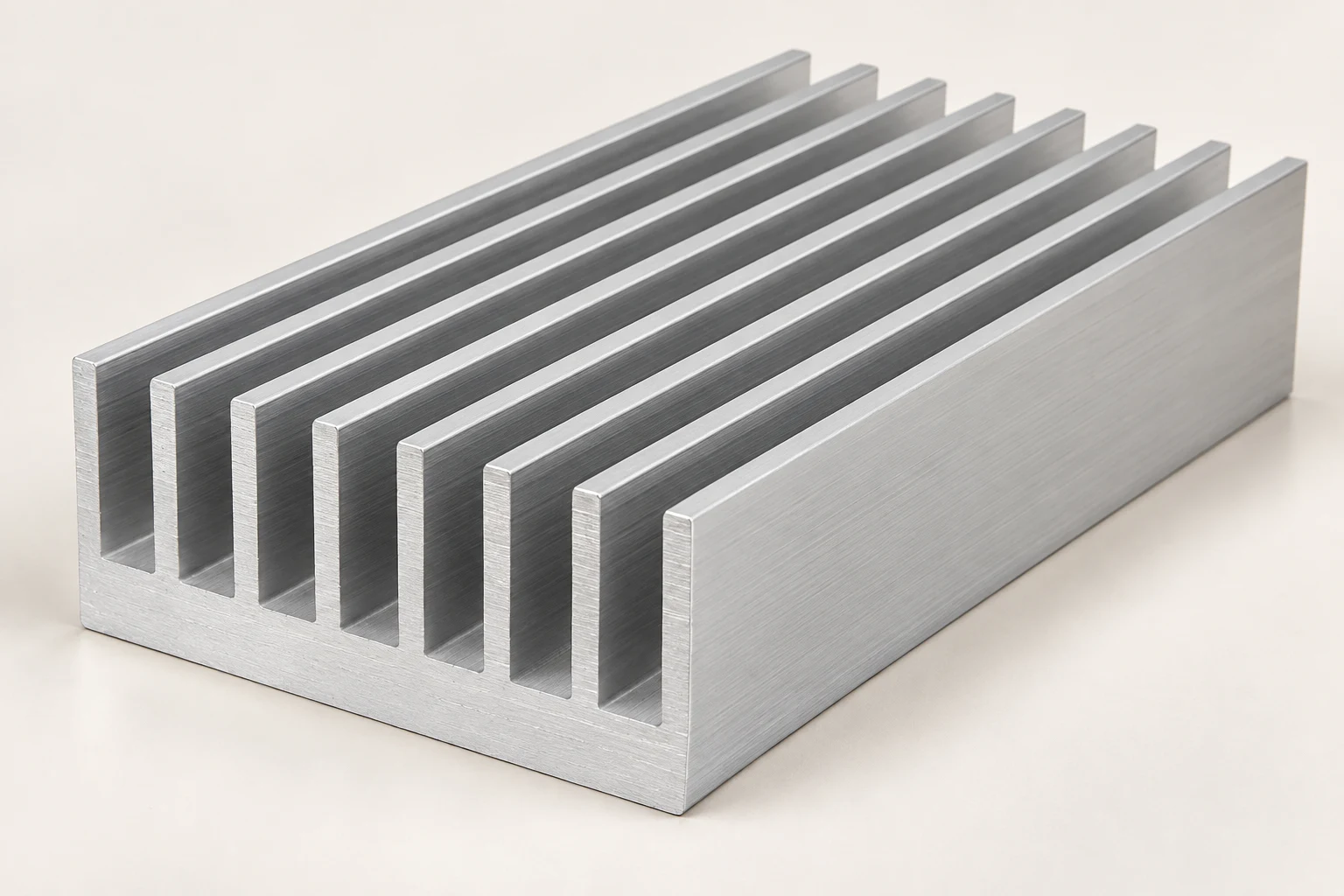
Heat Sink Profiles
Standard and custom sections; define the base, fins, mounting face and finished length by drawing
Finned aluminum extrusions for LED lighting
View profile detailsChoose a sourcing path
A reference section or drawing can frame an inquiry. Thermal suitability depends on the operating conditions, airflow and interface of the complete assembly.
Review the listed product information and identify the dimensions, base and fin geometry, mounting features and finish that your assembly requires.
Check published profilesShare the cross-section, envelope dimensions, mounting interface, cut lengths and any machining or inspection notes already defined.
Prepare a drawing-led RFQSummarize the heat source, operating temperatures, environment and cooling method. Keep assumptions visible for the next engineering discussion.
Discuss the requirementUse the checklist to make known conditions explicit. A supplier discussion cannot replace thermal analysis or application validation.
Record heat source, heat load, ambient temperature, target temperature, duty cycle and any thermal-resistance target available from the project.
Specify passive or forced airflow, flow direction and fan constraints, or provide channel and coolant requirements for a liquid-cooled design.
Dimension the fin field, base, overall envelope, contact face, fastener pattern, clearances and required orientation.
Identify alloy or temper and finish when established, plus cut length, machining, tolerances, inspection, quantity and delivery context.
Drawing and dimension requirements
Provide a dimensioned cross-section and distinguish extrusion geometry from machined or cut features. Define units and the inspection condition for critical dimensions.
Dimension overall width and height, profile length, installation clearances and the extrusion direction relative to airflow.
Show base thickness, fin thickness, height, count, spacing and any asymmetry or orientation that matters to fit or analysis.
Identify the mating face, contact area, flatness and surface expectations, plus any interface material defined by the assembly.
Locate holes, slots, tapped features and cut ends. Mark tolerances and note whether each requirement applies before or after finishing.
This guide does not specify universal extrusion tolerances or confirm thermal performance. State required values and applicable standards on the project drawing for review.
Heat sink RFQ example
A useful inquiry can start with a preliminary drawing. Identify what is known and leave assumptions visible for follow-up review.
Concept illustration only. It is not a published product, manufacturing drawing, dimensional specification or thermal-performance result.
An extrusion profile describes a cross-section, while the heat sink works as part of a thermal assembly. Keep both design conditions and supply details in view.
A section name alone cannot establish whether a heat sink suits a particular component, ambient temperature or duty cycle.
Include the heat source, estimated heat load, ambient and target temperatures, and available thermal-resistance requirement when known.
Fin height, spacing, orientation and channel design interact with the available airflow and packaging space.
State natural or forced airflow, flow direction, fan details if applicable, and the space available around the fins.
The heat path also depends on contact area, mounting pressure, interface material and the flatness requirements of mating surfaces.
Mark the mounting face, contact area, hole pattern, fasteners and interface material on the drawing when applicable.
Cutting, machining, finish and inspection can affect fit and should be stated as supply requirements rather than assumed from the profile.
Provide cut lengths, critical dimensions, alloy or temper when specified, finish, quantity, packing and destination.
These images illustrate general application contexts. They do not represent supplied products, verified projects or specific thermal results.
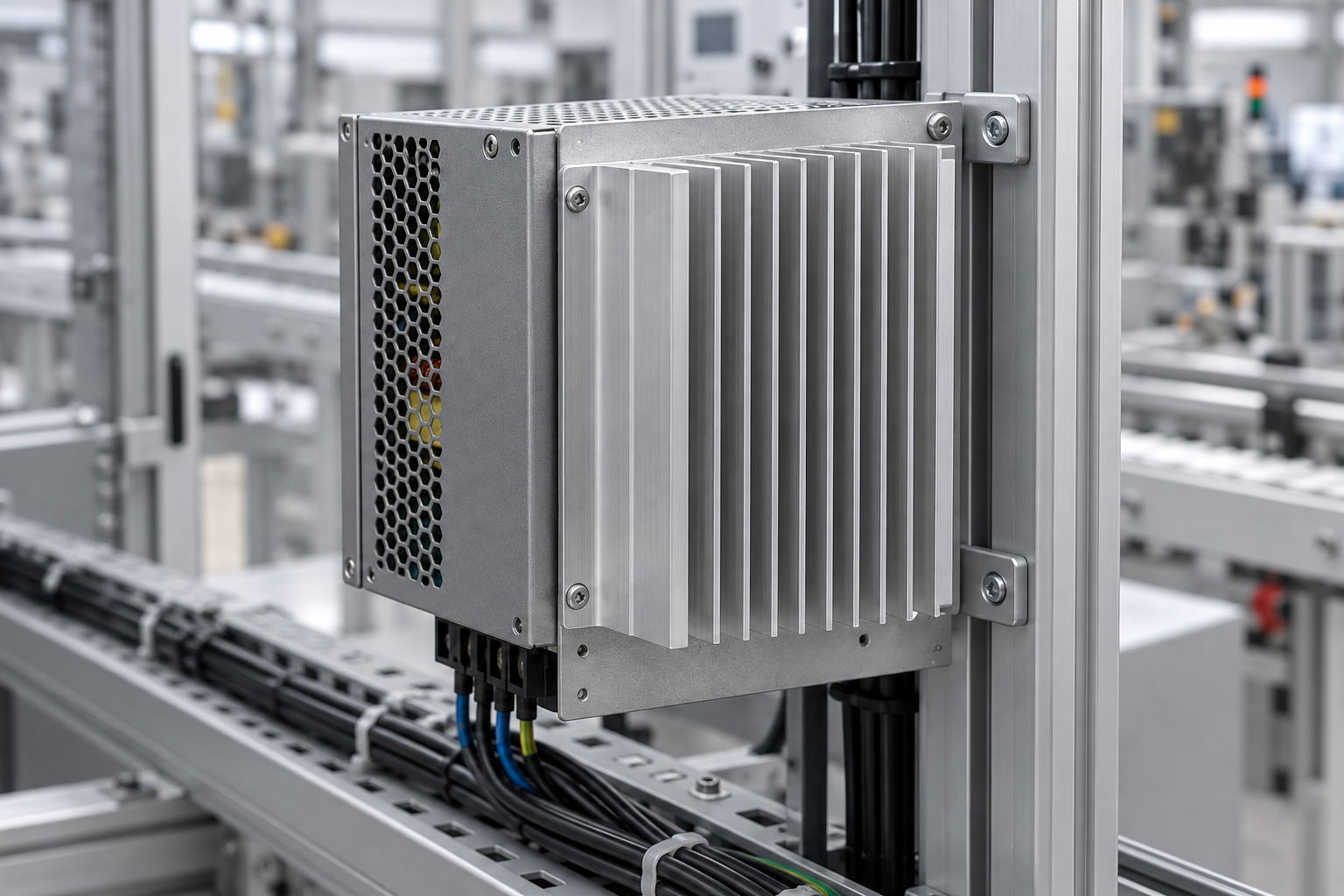
Extruded fins can form part of an equipment enclosure or heat sink assembly. Evaluate the section and airflow alongside the heat source and mounting interface.
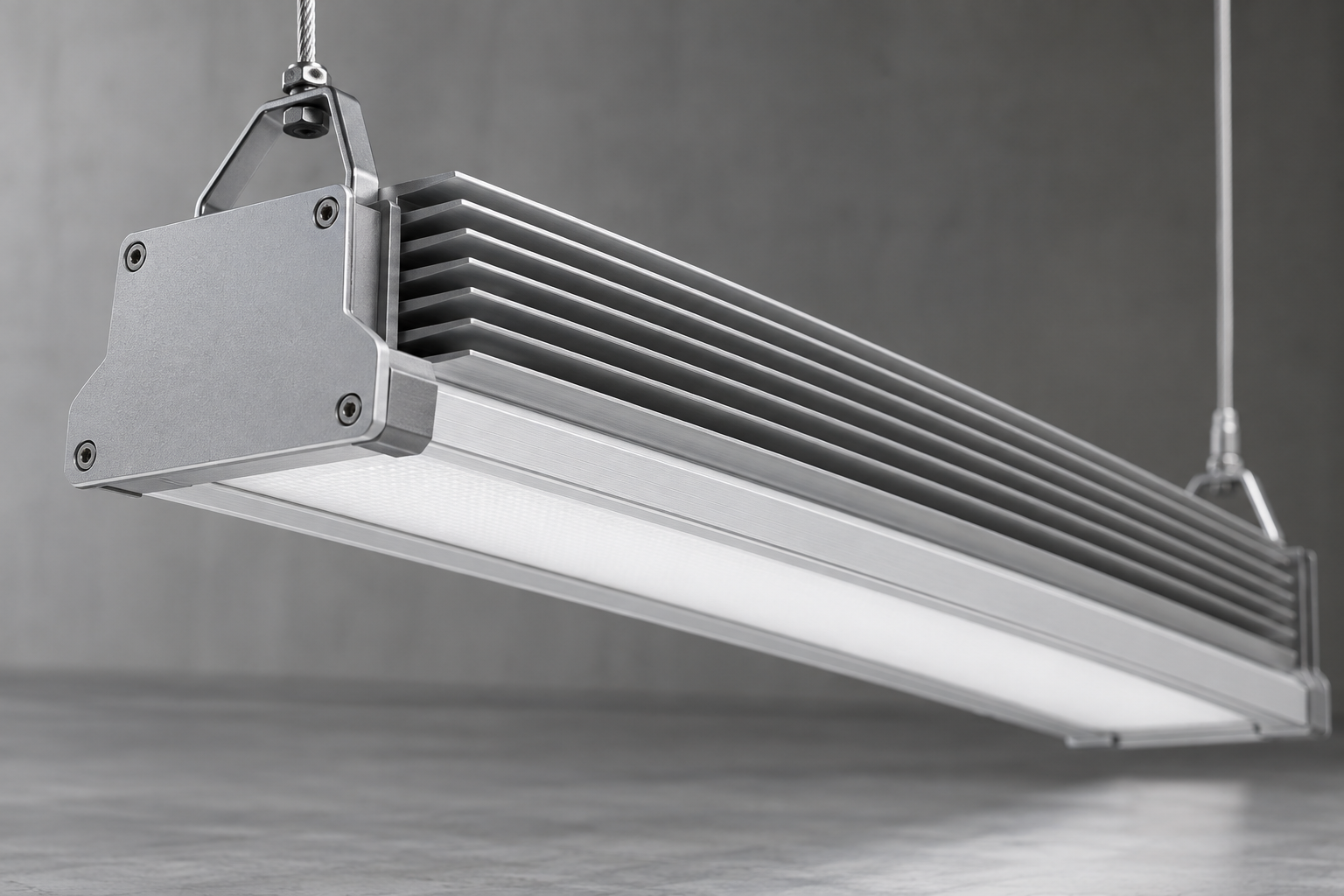
A finned aluminum housing can combine a lighting structure and heat-spreading surface, subject to the fixture envelope, component contact and operating environment.
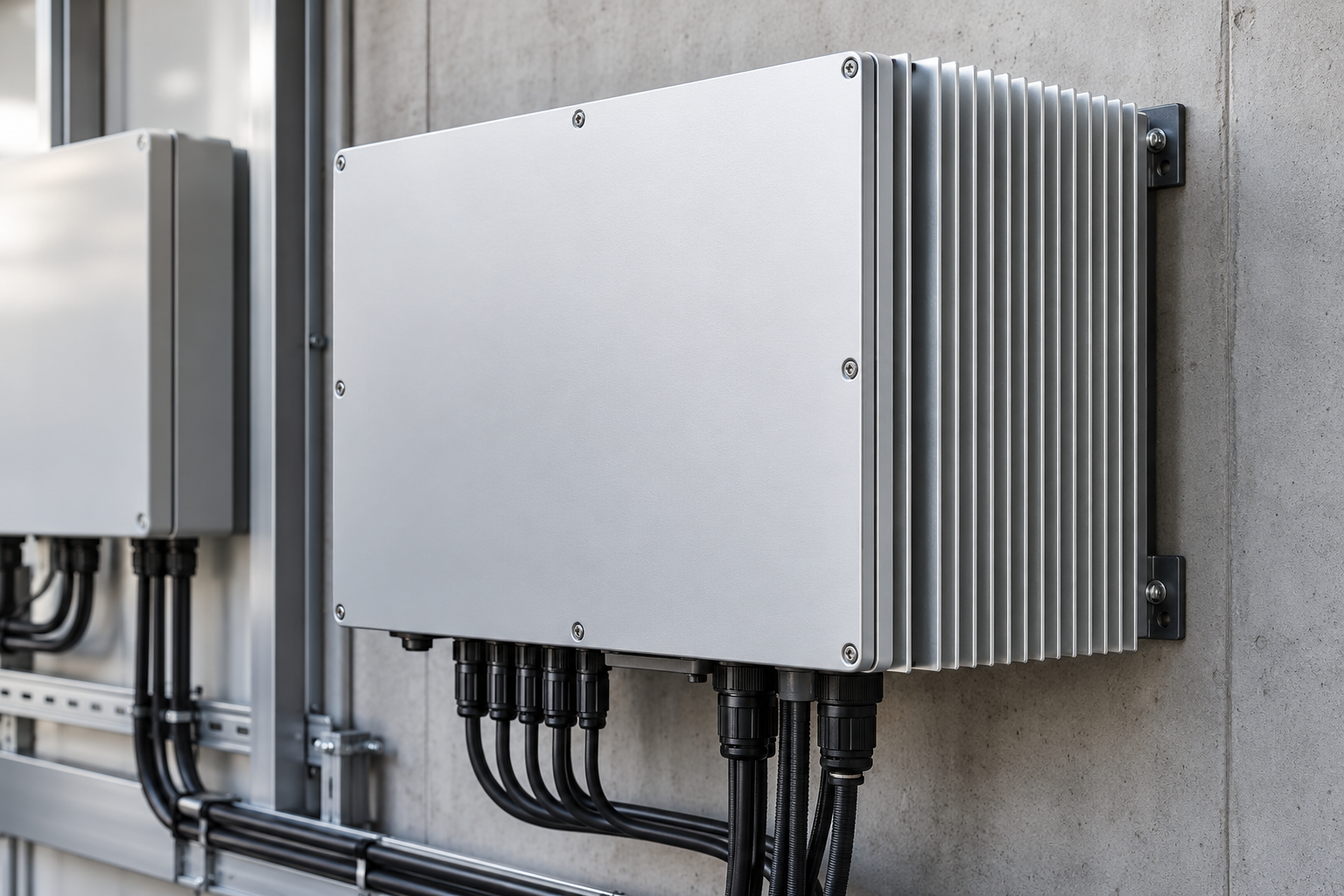
A heat sink profile can be considered alongside enclosure layout, ambient conditions, natural or forced airflow and the inverter's mounting requirements.
Early information helps frame the requirement. Open thermal questions can remain identified for review instead of being replaced with assumptions.
Keep drawing details, operating conditions and supply requirements connected as the inquiry is reviewed.
Send the section drawing or sample reference and the operating, mounting, quantity and destination details available today.
Keep thermal assumptions, critical dimensions, material, finish and downstream processing requirements visible for discussion.
Continue the sourcing conversation after the profile reference, documentation and remaining project questions have been reviewed.
These third-party references explain general design and drawing topics. They do not verify a product, service, capability or performance claim from this site.
Overview of aluminum heat sinks, finned profiles, air and liquid cooling, and general application considerations.
Discussion of airflow, fin and channel design, surface treatment, thermal resistance and material interfaces.
Information about its publication describing a uniform method for preparing aluminum extrusion profile drawings.
General answers to help prepare a more complete profile and thermal requirement.
Share your drawing or profile reference and the thermal, mounting, finishing and supply details already available. The inquiry can identify open questions for the next sourcing discussion.
Your requirement will be used to coordinate the next sourcing step.