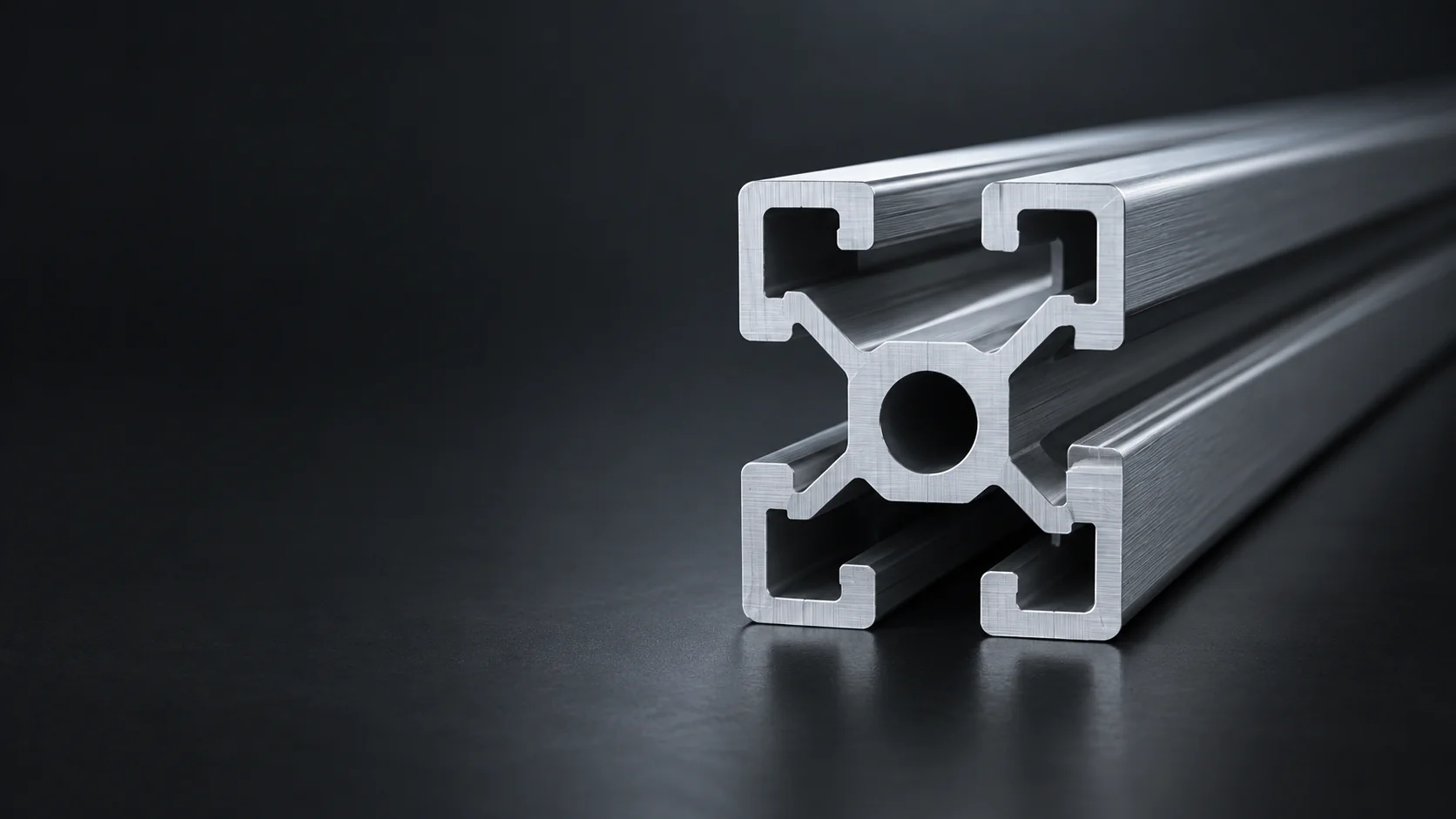
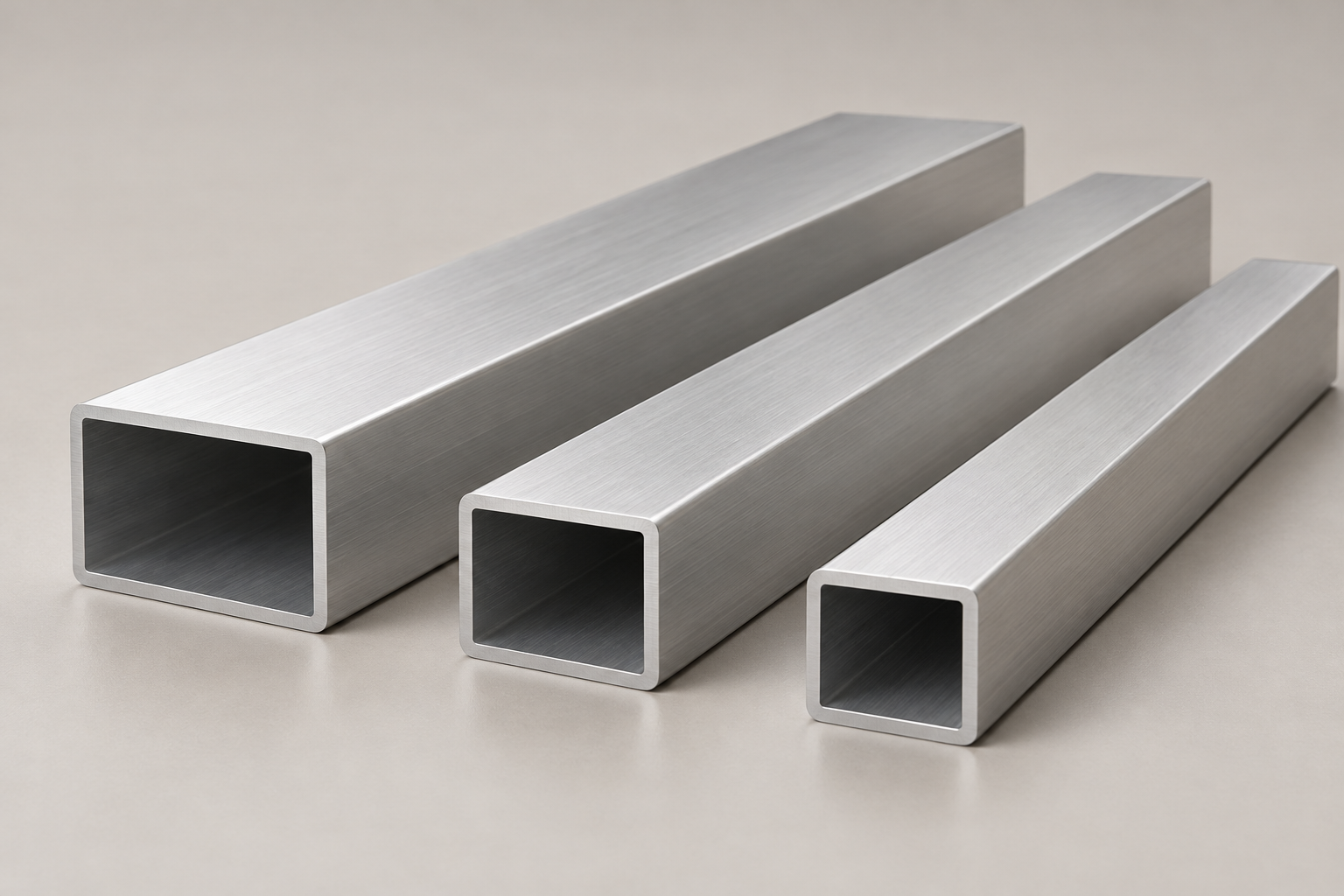
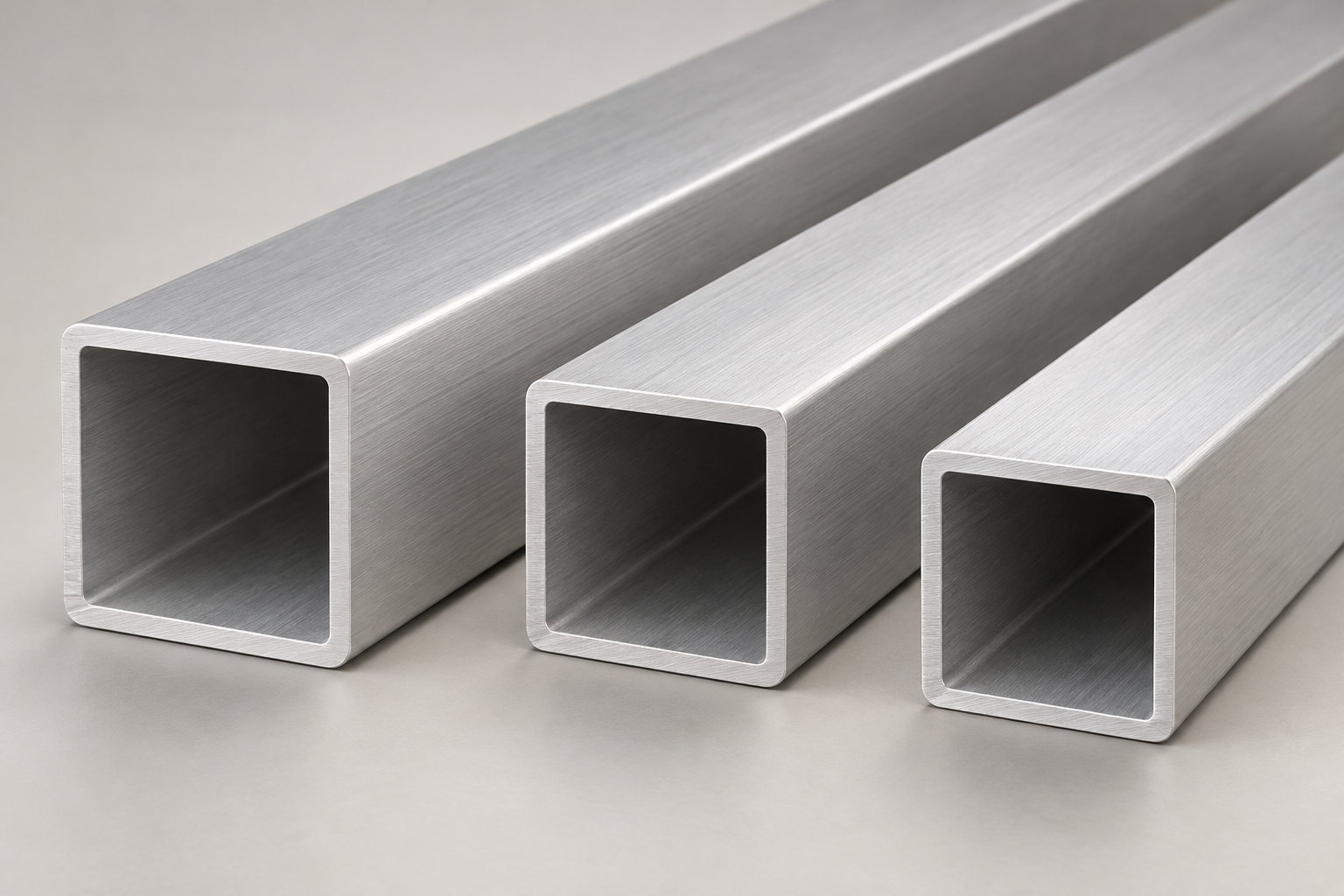
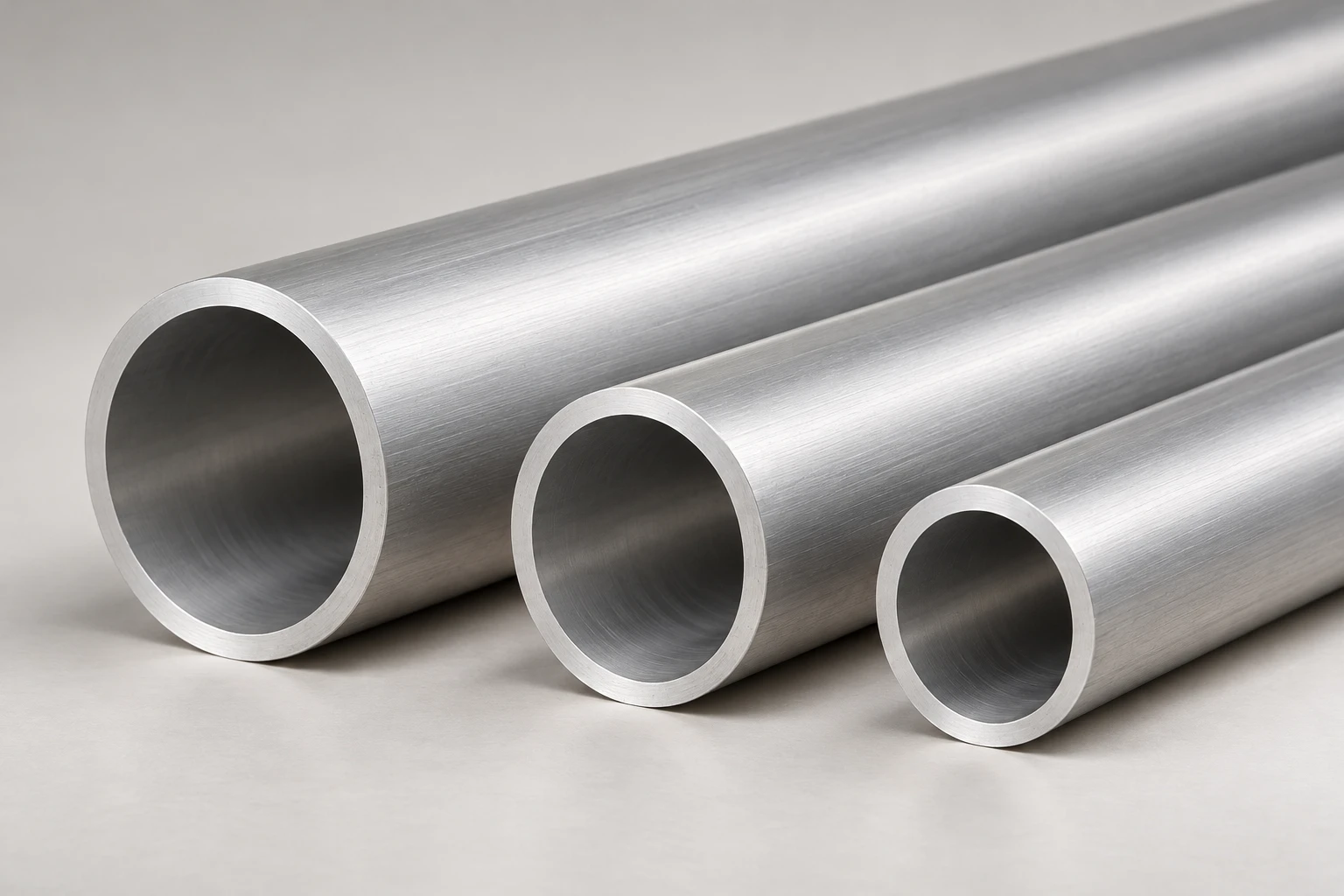
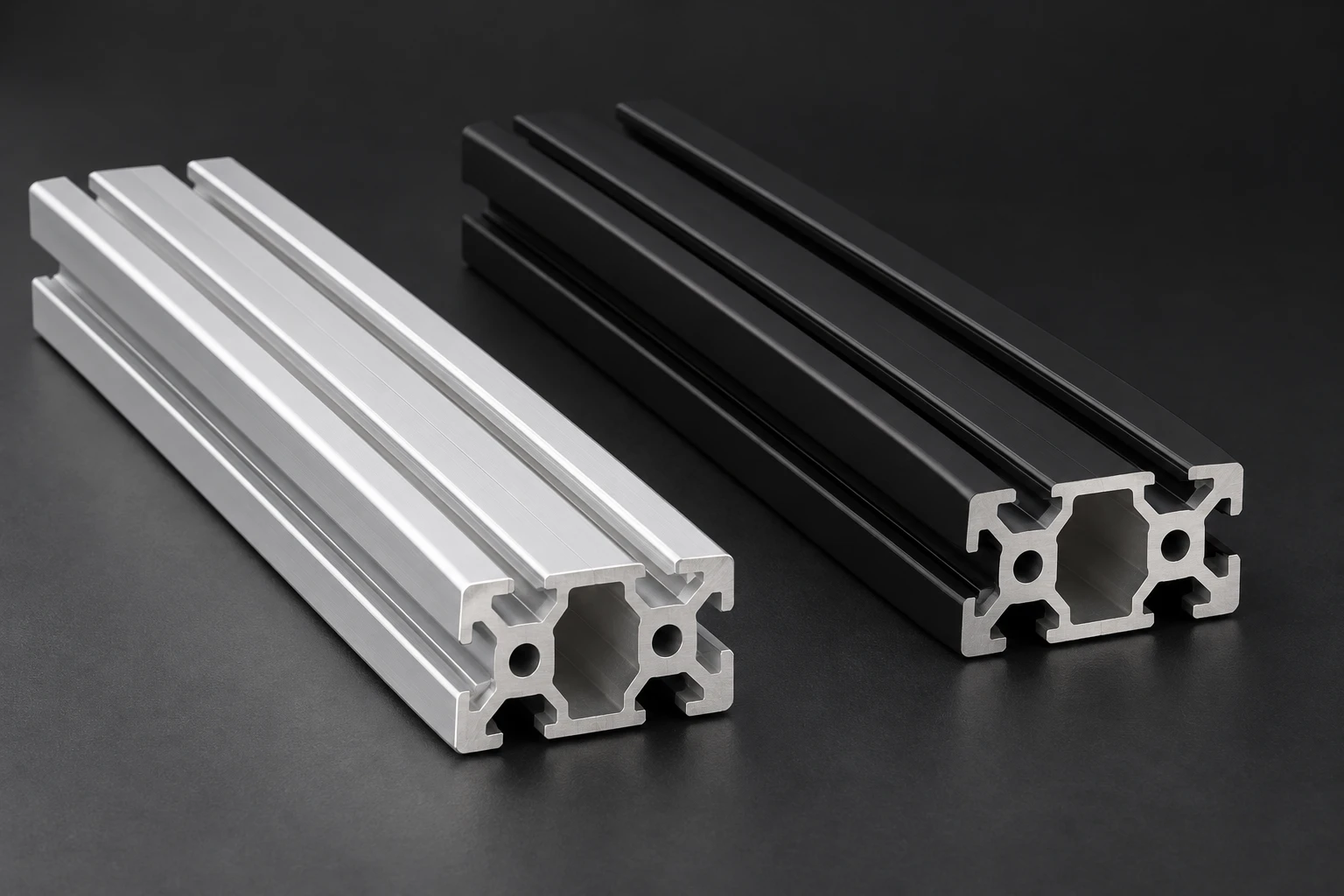
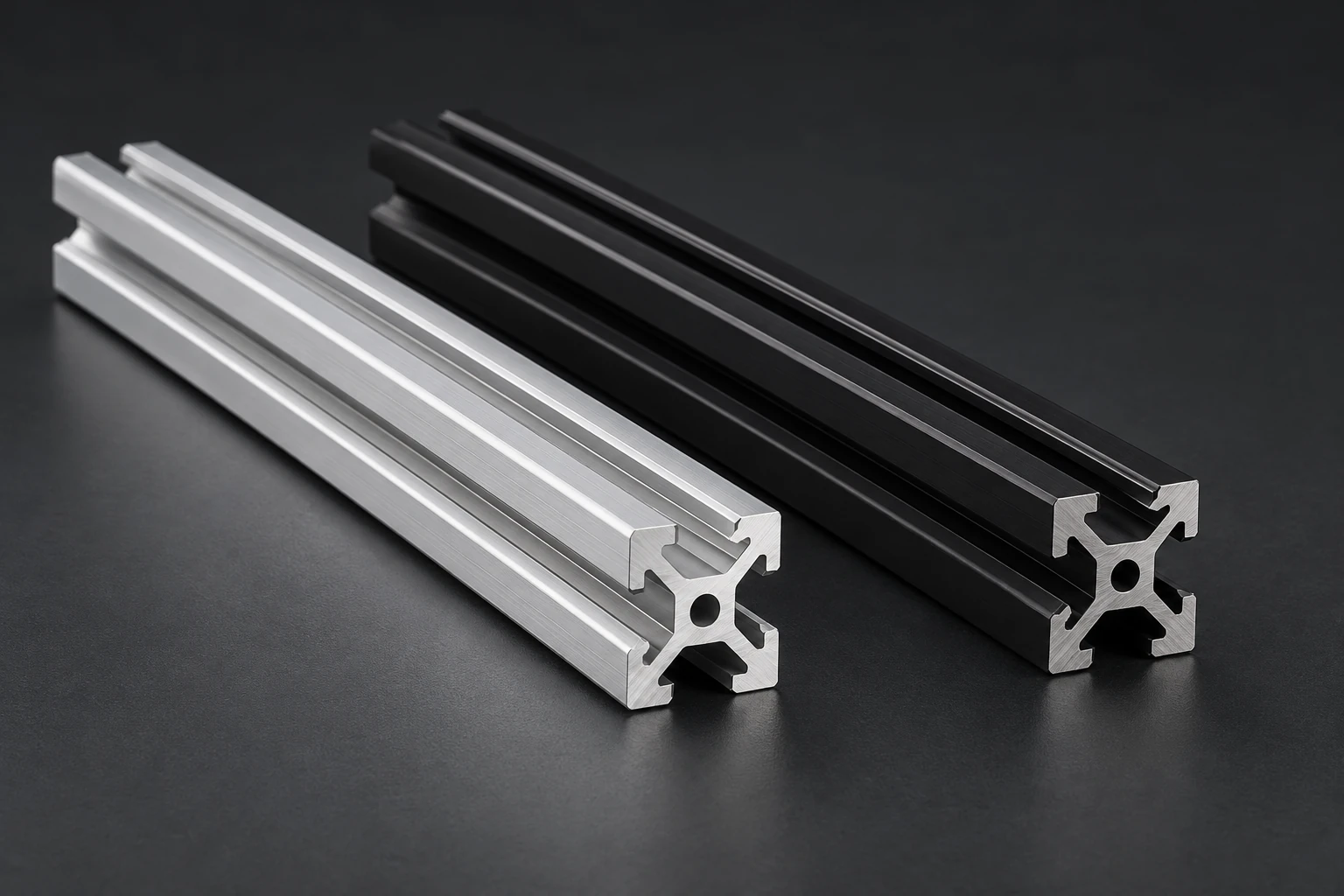
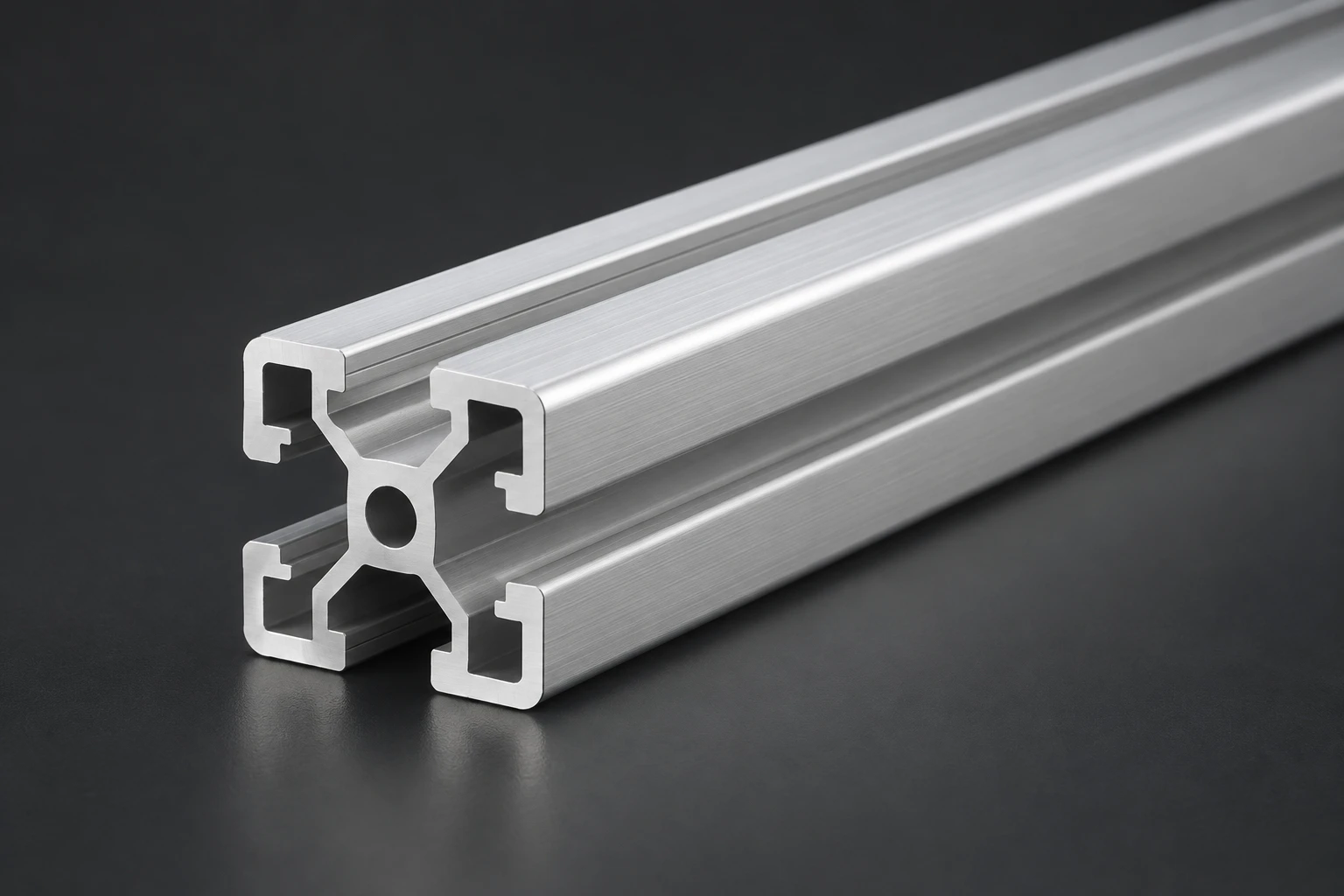
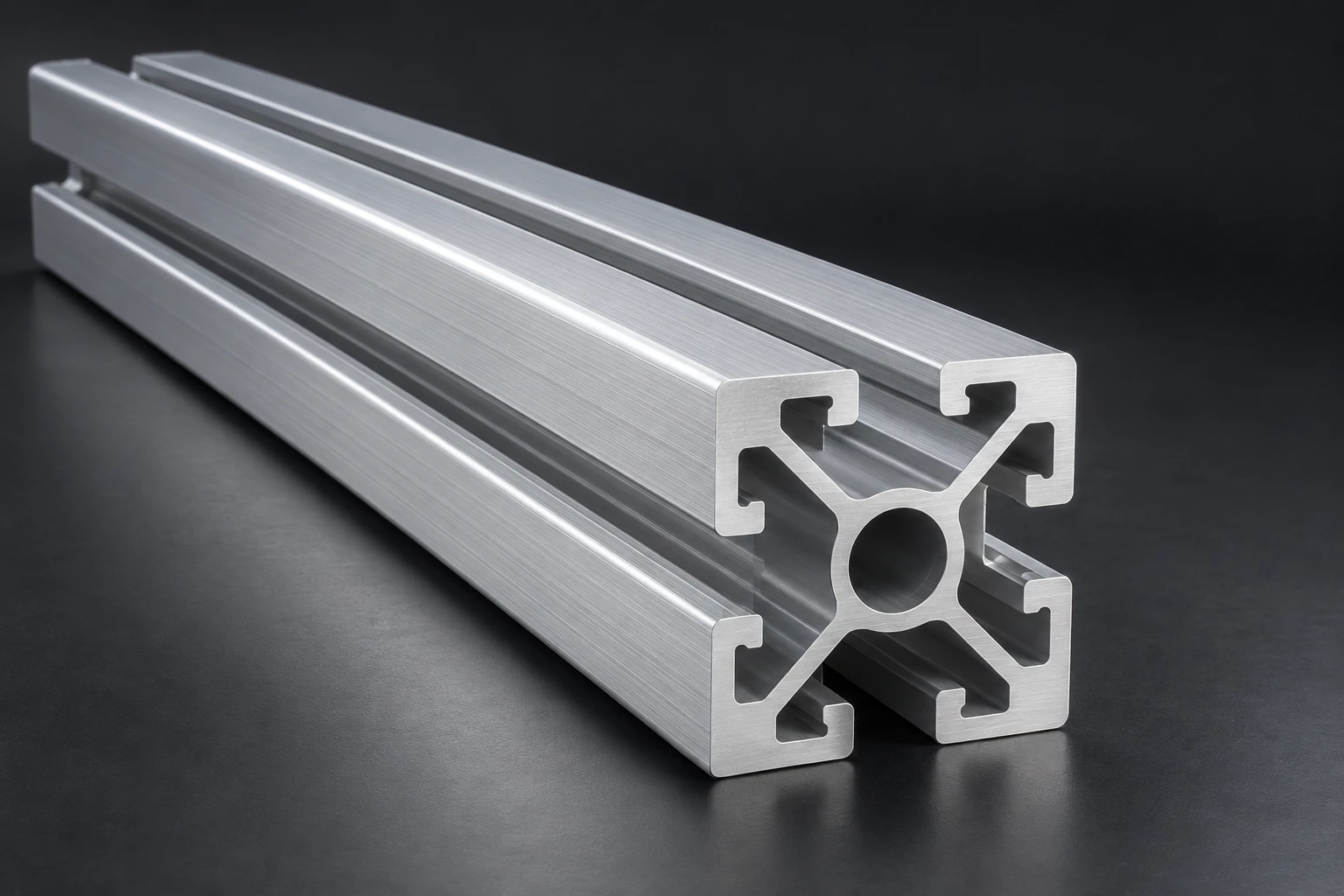
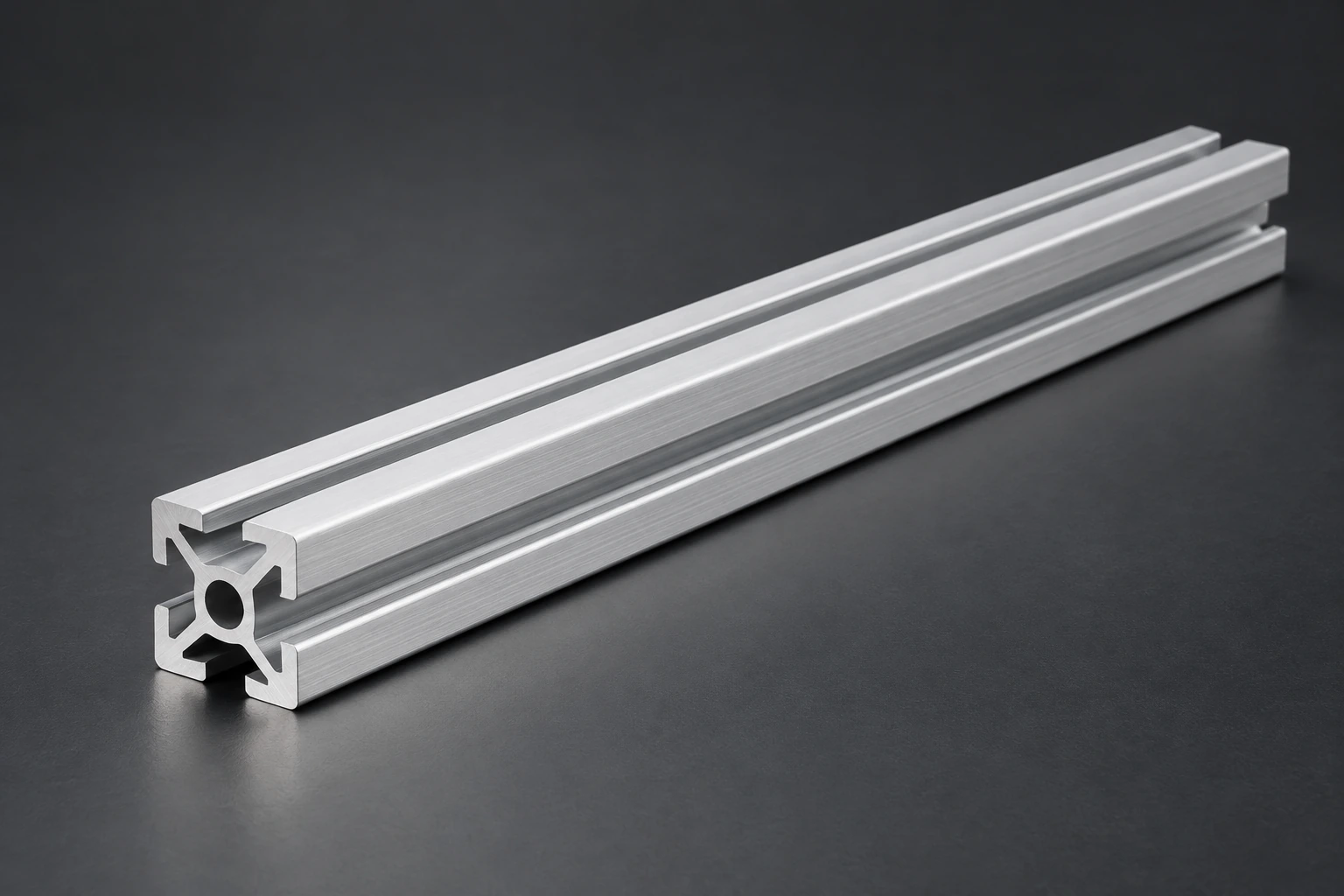
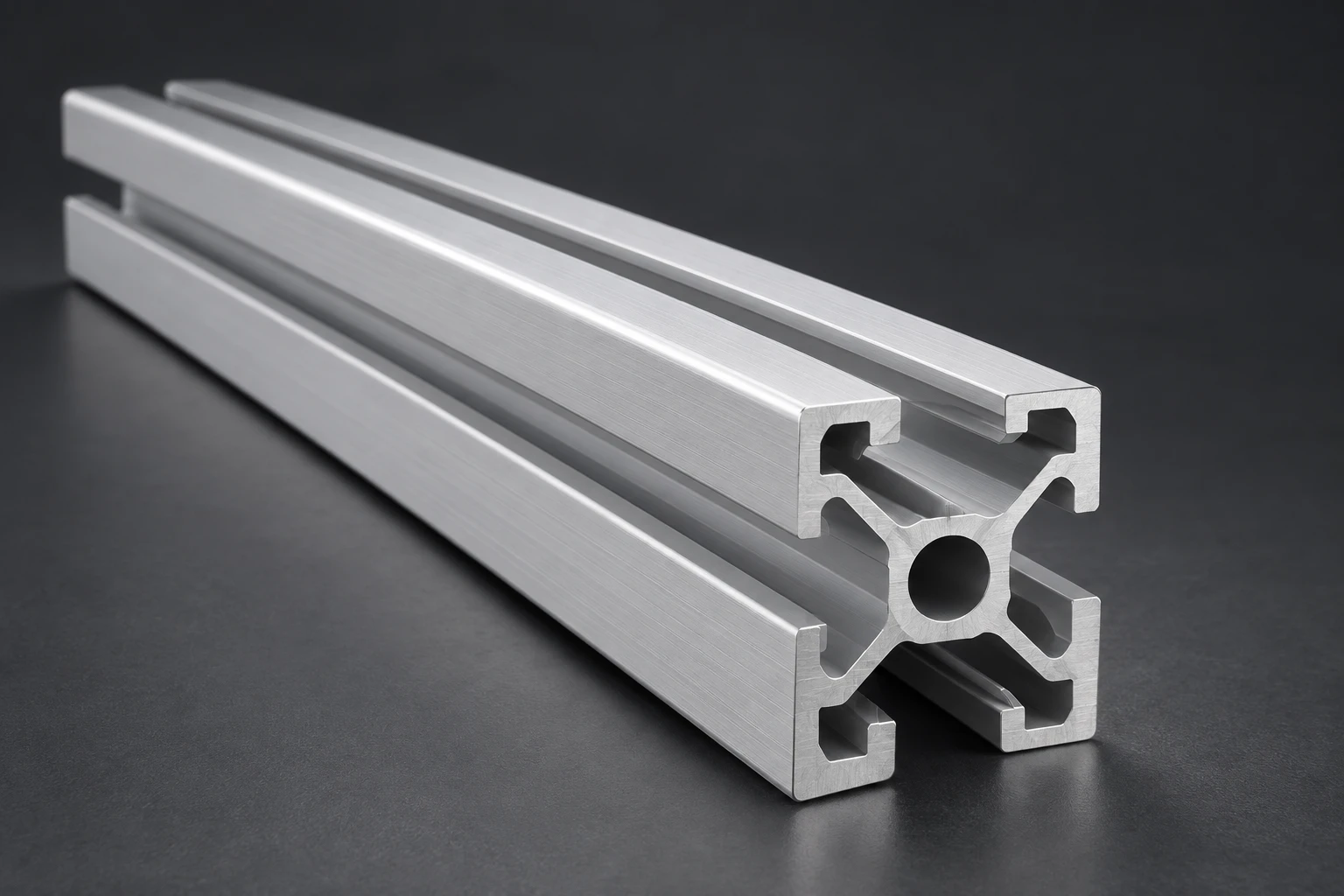
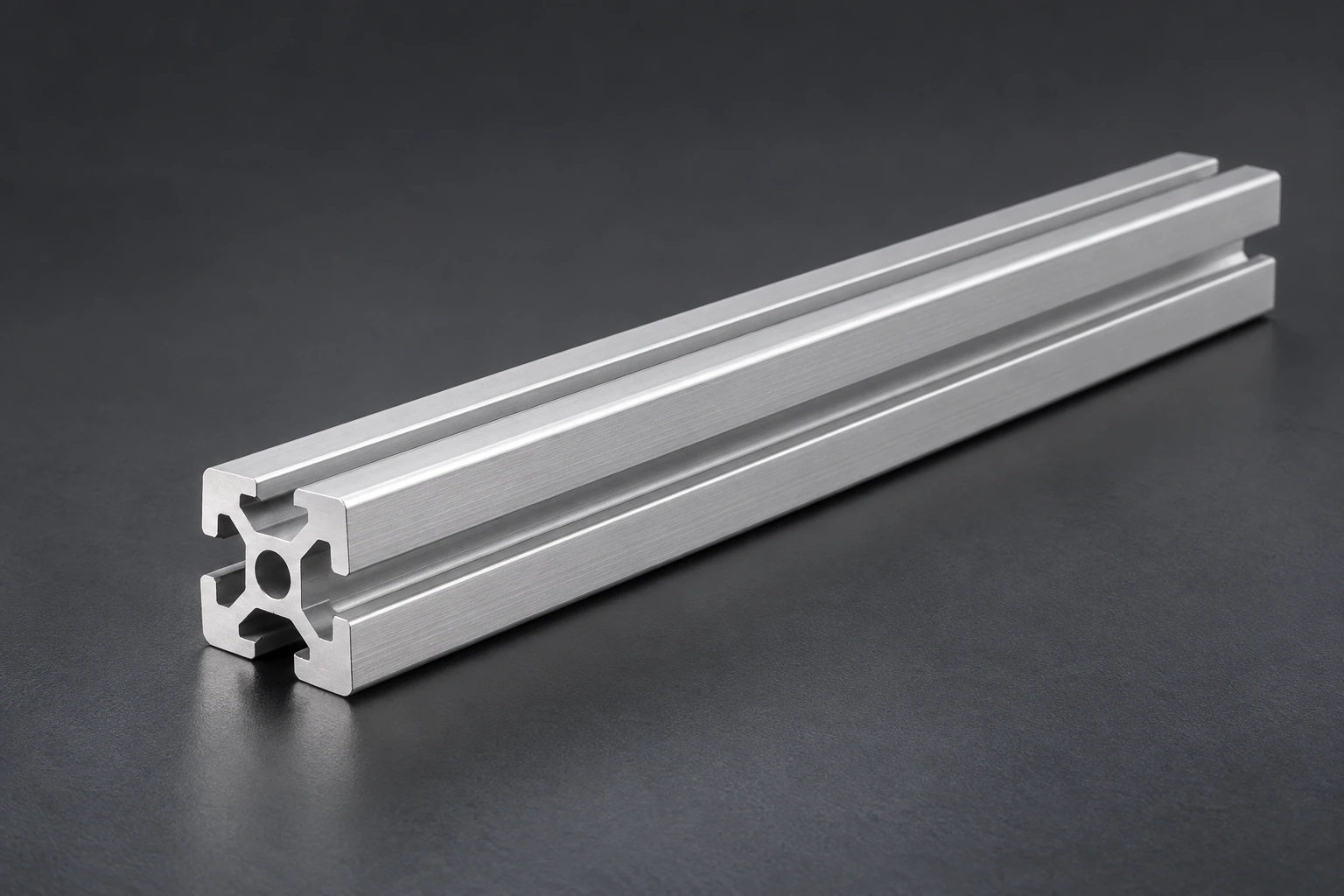
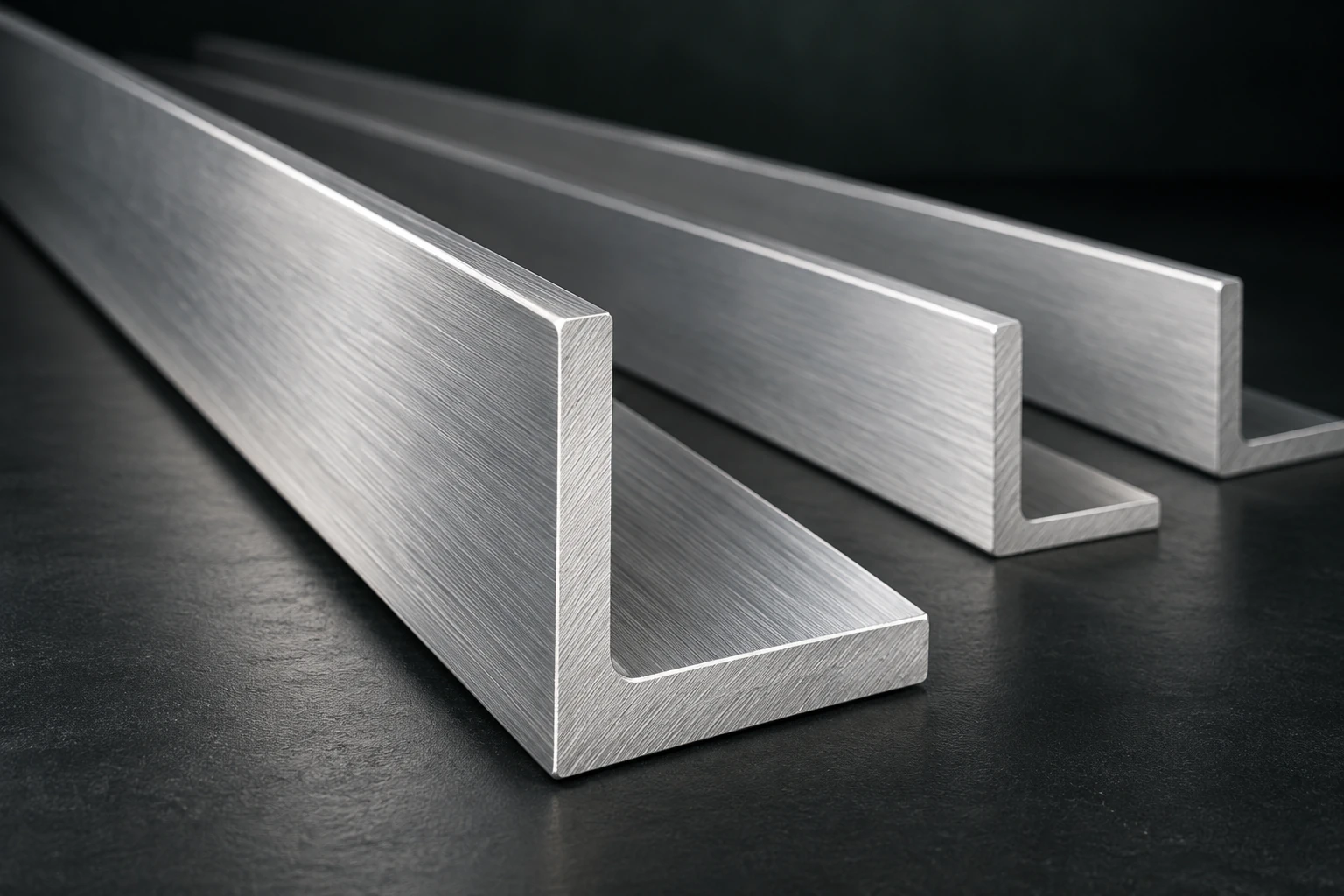
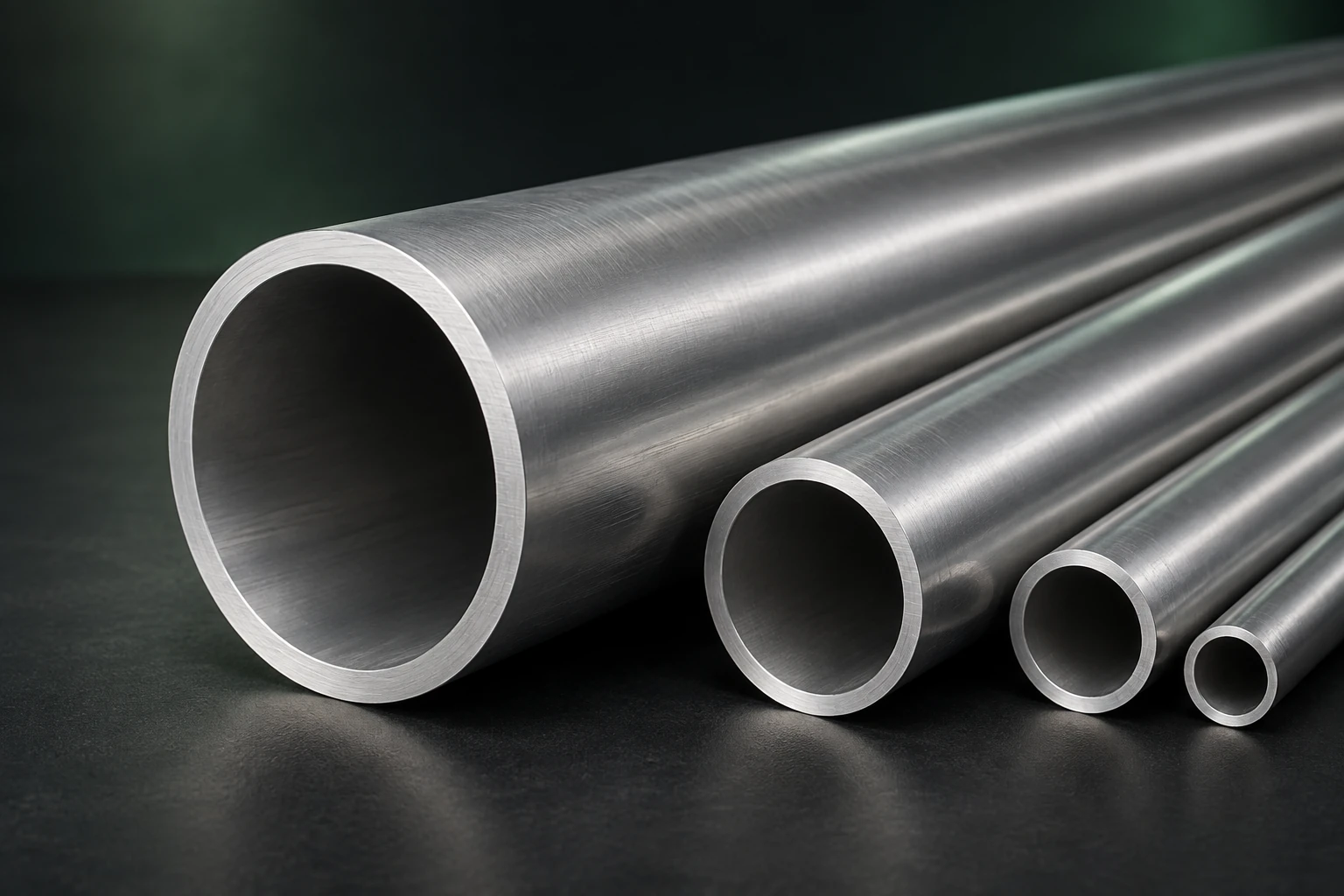
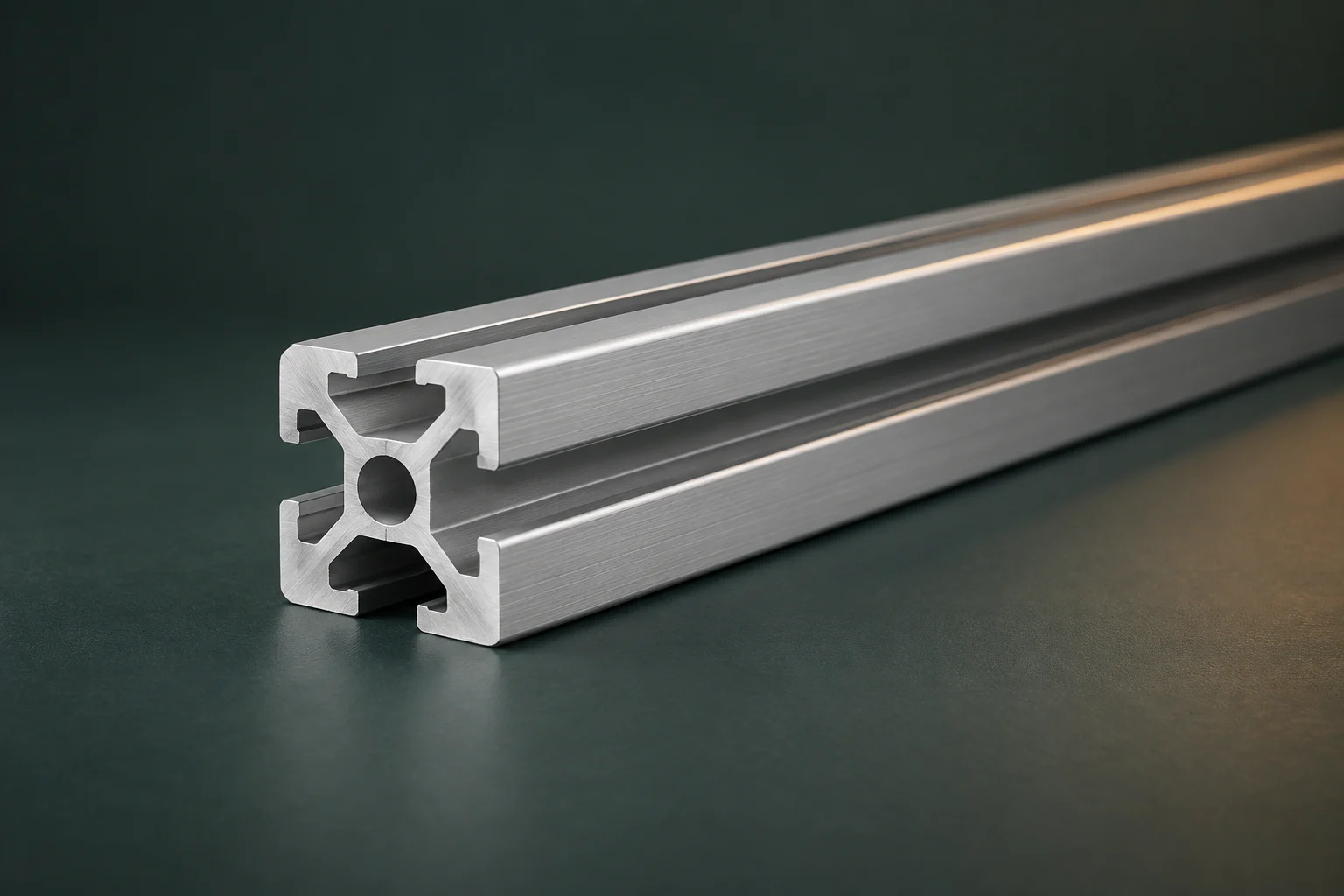
Source aluminum extrusion profiles with anodized finish options through Aluminum Profile Works. We coordinate profile sourcing, finishing requirements and export preparation for industrial buyers. Start with a listed profile or your drawing, then define the finish for the actual application.
The listed profile families include anodizing as a finish option. This does not indicate anodized stock or a confirmed color, coating thickness or delivery date. Review the section, then confirm the finish and quantity for your order. Profile images are illustrative, not finish acceptance samples.
Anodized aluminum extrusions are extruded aluminum profiles whose surfaces have undergone an electrochemical process that forms an oxide layer integrated with the underlying metal. Anodizing is a surface treatment: it does not identify the profile geometry, alloy or temper. The industry references below explain the process and specification variables.
Define the base profile
Begin with the cross-section, alloy and temper. The finish requirement is an additional part of the specification, not a substitute for the profile drawing.
Match protection to the application
Anodizing can improve surface corrosion and abrasion resistance. Performance depends on the alloy, process, coating and exposure conditions; it needs to be specified for the intended use.
Agree on appearance
Pretreatment, alloy and coloring process affect the final appearance. Describe the significant surfaces and agree on samples rather than relying on a color name or website image.
Keep fabrication in view
Include cutting, drilling, machining, joining and critical dimensions in the same inquiry so the processing and finishing sequence can be reviewed together.
Selection checklist
Four decisions before you specify an anodized profile
A request for 'anodized aluminum' leaves several purchasing decisions open. Use these checks to define what the finished profile needs to do.
Choose the section, alloy and temper
Confirm the geometry and assembly requirements first. The current catalog includes 6063-T5 and 6061-T6 references. Alloy and temper affect both the underlying part and its response to anodizing; do not select them only for the desired color.
Describe the use environment
State whether the part will be indoors or outdoors, the expected exposure and any wear or contact requirements. Identify the required coating specification and inspection method when the project defines them.
Define color, texture and significant surfaces
Include the requested appearance, gloss or texture, an approved sample if available, and the faces visible after assembly. Ask for a proposed acceptance range when color consistency matters.
Identify dimensions and processing constraints
Mark mating dimensions, threads, bores, masking requirements and areas where contact marks are unacceptable. Confirm how pretreatment, coating and any later machining will be accounted for on the finished drawing.
Anodized extrusion specification checklist
Use this checklist to turn an appearance request into a reviewable finish specification. It is a procurement guide, not a list of guaranteed process capabilities.
All items must be agreed for the specific profile and order. Referencing a standard is a buyer requirement, not a claim that APW or a listed product is certified to it.
Anodized extrusion specification checklist
Requirement
What to provide
What to confirm
Base profile
Drawing or catalog reference, alloy and temper
Section suitability and agreed material condition
Appearance
Color reference, texture, gloss and significant surfaces
Physical sample and acceptable appearance range
Coating
Required anodizing designation and coating thickness, if specified
Applicable specification, measurement locations and inspection method
Sealing
Project sealing or performance requirements
Agreed treatment and relevant verification
Dimensions
Finished-part tolerances, bores, threads and mating faces
Pretreatment and coating effects, masking and contact locations
Fabrication
Cutting, drilling, machining and joining requirements
Processing order and treatment of any subsequently exposed metal
Acceptance
Inspection criteria, sample requirements and requested records
Scope of inspection and documents available for the supply route
If a requirement is undecided, mark it as pending in the RFQ. Do not replace an unknown thickness, color range or inspection criterion with an assumed default.
Process overview and the variables that influence coating performance.
Anodized vs. mill finish vs. powder-coated profiles
Compare the treatments by surface system, appearance and the questions needed for a purchasing decision. No treatment is a universal substitute for another.
This is a qualitative selection comparison, not a service-life, cost or performance ranking. Final suitability and availability depend on the section, finish specification and application.
Anodized vs. mill finish vs. powder-coated profiles
Decision criterion
Anodized
Mill finish
Powder coated
Surface system
Electrochemically formed oxide layer integrated with the aluminum
No added anodizing or paint treatment; natural oxide forms on aluminum
Applied paint coating with its own preparation and curing requirements
Appearance specification
Define pretreatment, texture, color and an acceptance sample
Define acceptable extrusion surface condition and visible marks
Define the coating system, color, texture, gloss and acceptance sample
Protection requirements
Specify coating and sealing for the intended exposure and wear
Confirm whether the untreated surface suits the use environment
Specify the coating system and performance for the intended exposure
Critical fit
Review pretreatment and coating effects on finished dimensions
Review extrusion tolerances and any subsequent fabrication
Review coating build and masking at mating surfaces
Sourcing decision
Confirm finish requirements for the selected profile
Confirm the required surface condition for the selected profile
Confirm the coating system for the selected profile
The variables that define an anodized finish and its appearance.
Process context
How an anodized finish is defined
AEC describes cleaning, rinsing, etching, electrochemical oxidation, optional coloring and sealing. This overview explains the industry process; the actual supply route and any special treatment must be confirmed for your profile.
Prepare the surface
Cleaning and pretreatment affect the finish. Define the required texture and appearance before agreeing on the processing route.
Form the oxide layer
The aluminum acts as the anode during electrochemical treatment. Coating characteristics depend on the material and process, so the required finish needs an agreed specification.
Review color and sealing
Anodizing may include coloring and sealing. Specify the requested result and verification; clear, black or other color names alone do not establish an acceptance standard.
Coordinate fabrication and inspection
Agree when cutting and machining occur, where masking or contact points are allowed, and how the finished dimensions and appearance will be inspected.
Application checks
Specify the finish around the assembly
These are requirement examples, not claims of suitability for every use. Review the profile, coating and assembly conditions together.
Modular equipment frames
Confirm slot and accessory fit, significant faces, cut ends and contact locations for the assembled frame.
Fabricated tube assemblies
Identify visible tube surfaces, joints, cut ends and any machining that occurs after finishing.
Angle brackets and supports
Mark holes, mating faces, finished dimensions and surfaces exposed after fabrication.
Visible equipment parts
Agree on appearance samples, viewing conditions and the acceptable range between adjoining parts.
Machined mating components
Identify bores, threads and fit surfaces where coating or masking needs to be reviewed.
Outdoor assemblies
Describe exposure, maintenance and performance requirements. Outdoor use needs a project-specific finish review.
Avoid specification gaps
Resolve these issues before approving the finish
A complete finish requirement makes the quote and acceptance criteria easier to compare.
Using only a color name
A request for 'black anodized' or 'clear anodized' does not fully define texture, gloss or acceptable variation.
Check: sample reference, significant faces and the agreed appearance range.
Treating all anodizing specifications as interchangeable
A coating requirement needs to relate to the application. Do not assume that a decorative request also defines a hard-anodizing or architectural performance requirement.
Check: intended use, required designation, coating and inspection criteria.
Leaving contact and masking areas unspecified
An acceptable processing location may be unacceptable on a visible or functional face of the assembled part.
Check: significant surfaces, permitted contact points and masking on the drawing.
Ignoring fabrication and finished fit
Cutting or machining after anodizing exposes underlying metal. Pretreatment and coating also need to be considered when defining critical finished dimensions.
Check: processing sequence, cut-end requirements and finished-part tolerances.
Prepare the RFQ
What to include in an anodized extrusion inquiry
Send the known details and mark open decisions. APW uses the specification to coordinate the profile, finishing and delivery discussion; final availability and commercial terms are confirmed for the particular requirement.
Profile drawing, sketch or published profile reference, including dimensions and units.
Required alloy and temper, or the application details if these are undecided.
Requested anodized appearance, sample reference, significant surfaces and acceptance range.
Coating thickness, finish designation, sealing and inspection requirements, when specified.
Critical finished dimensions, masking, permitted contact locations and processing order.
Required cut lengths, quantity, machining needs, packing and destination.
Requested inspection records, samples and delivery schedule for confirmation.
Illustrative RFQ: a modular equipment frame
This fictional buyer request shows how to separate known requirements from open decisions. It is not an orderable SKU, stock record or confirmed quote.
Profile reference
Euro T-slot 4040 series; assembly drawing to accompany the RFQBuyer-provided detail
Alloy / temper
6063-T5 requestedBuyer-provided detail
Finish
Anodized finish requested for visible frame surfacesBuyer-provided detail
Quantity / cut length
Illustrative requirement: 200 pieces, each cut to 1,000 mmBuyer-provided detail
Appearance
Buyer sample, significant faces and acceptable variation to be agreedTo be confirmed
Coating / inspection
Required thickness, sealing and verification to be agreed for the use environmentTo be confirmed
Finished fit / processing
Accessory fit, tolerances, cut ends, machining and contact locations to be reviewedTo be confirmed
Delivery
Destination, packing, supply availability and schedule to be confirmedTo be confirmed
Industry references
Sources behind the finish guidance
These industry sources support the process, alloy and specification guidance above. They do not certify APW, confirm product compliance or establish a supply guarantee.
Guidance on alloy, temper, pretreatment, coating designation and appearance specification.
Buyer questions
Anodized aluminum extrusion FAQ
Answers to the decisions that commonly remain open in a profile sourcing request.
It is an extruded aluminum profile treated electrochemically to form an oxide layer integrated with the underlying metal. Anodizing describes the surface treatment; the cross-section, alloy, temper and finish requirements still need to be specified separately. The AEC Anodizing reference linked on this page explains the process.
Start a sourcing inquiry
Bring your anodized profile requirements together
Send the profile reference or available drawing details, alloy, finish requirements, quantity and destination. Mark anything still undecided so APW can organize the sourcing conversation. Send drawings by email after we reply.
Specification requirements reviewedQuantity and delivery assessed per projectDrawings and documents by emailInspection requirements confirmed per project