When should I choose an unequal angle instead of an equal angle?
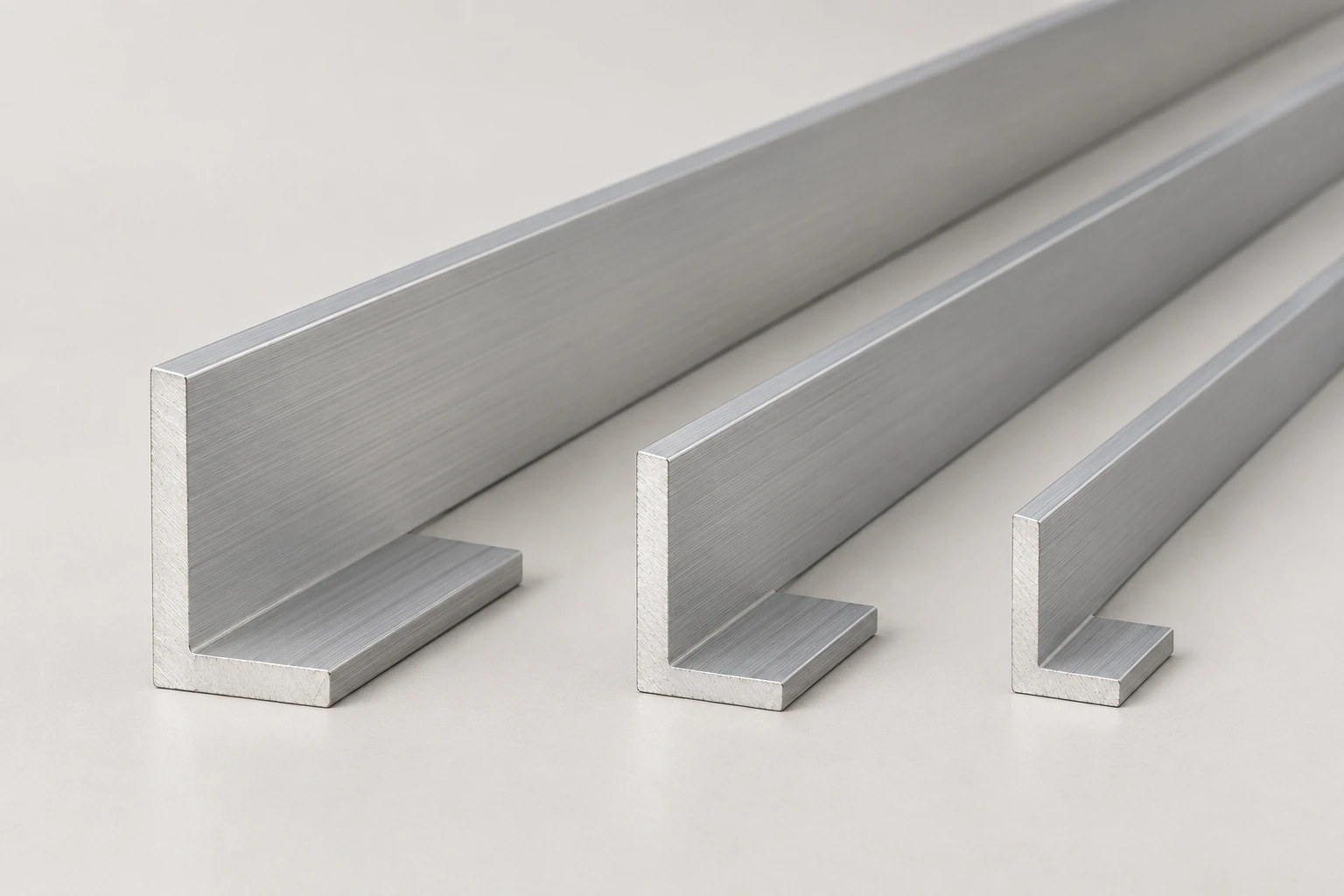
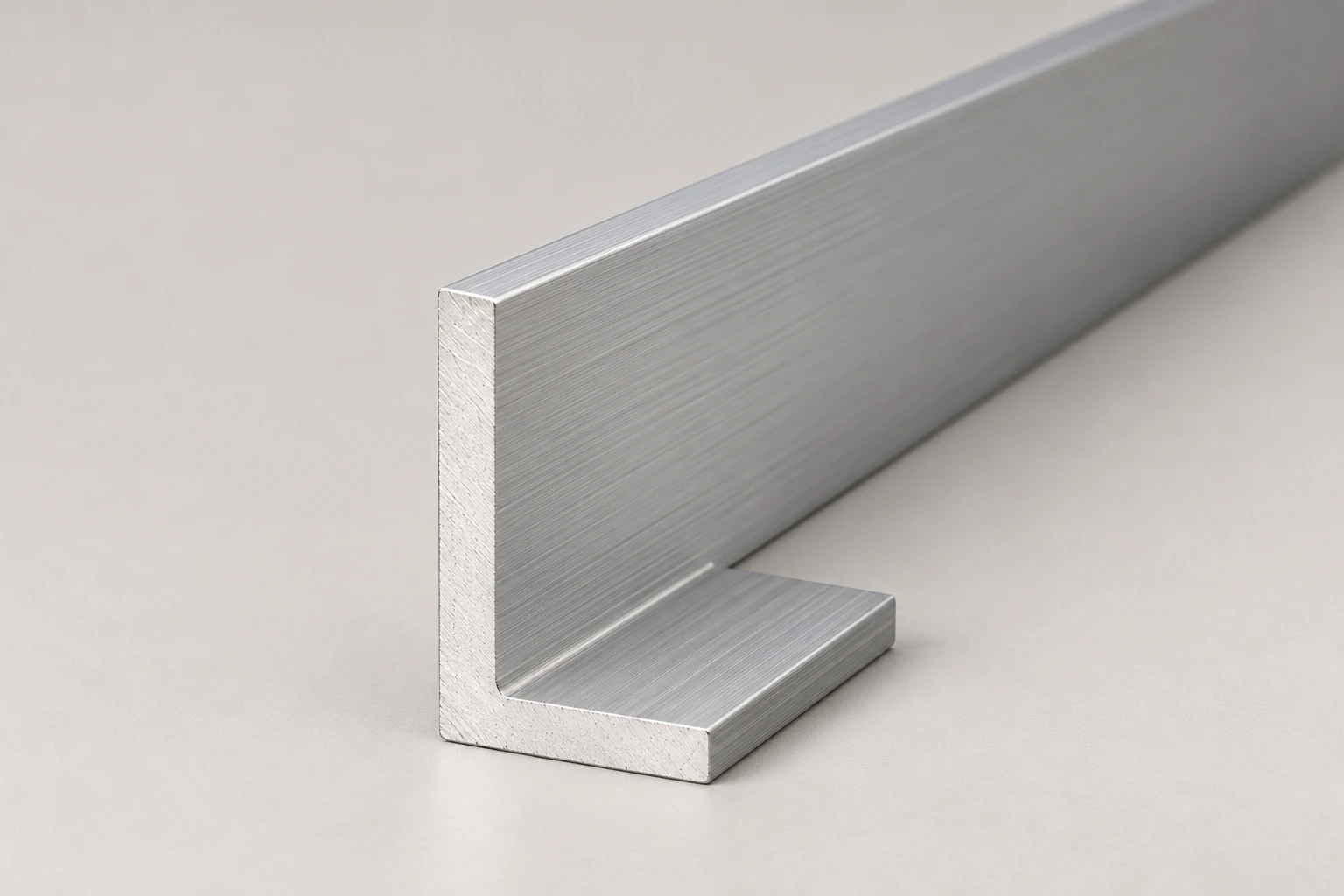
Consider Unequal Angle 6063-T5 when one face needs more overlap or fixing space and the other needs a narrower return. Choose an equal-leg section when matching coverage suits both faces. Confirm orientation, thickness, corner fit and connections against the assembly drawing.
Are A and B outside or inside dimensions?
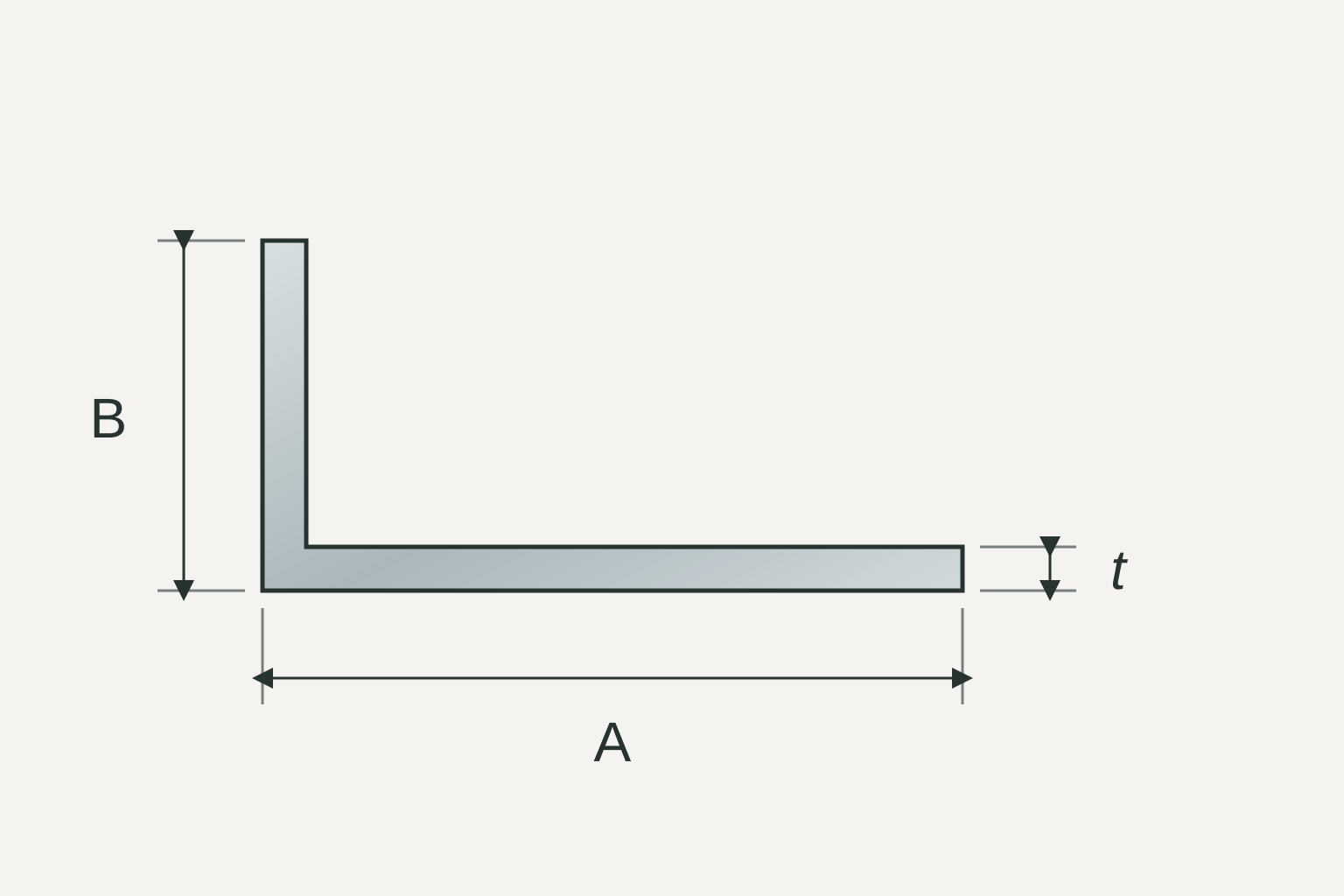
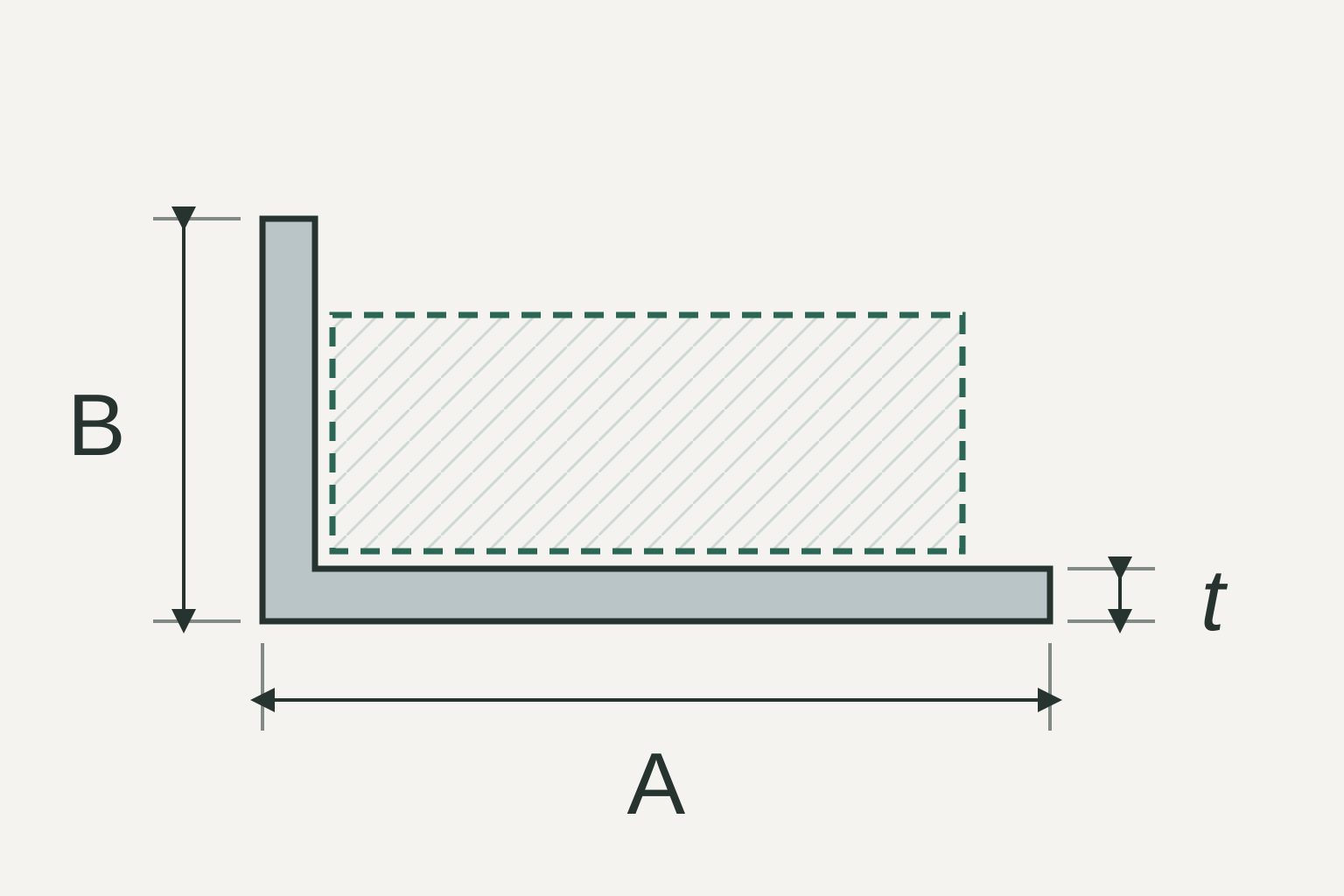
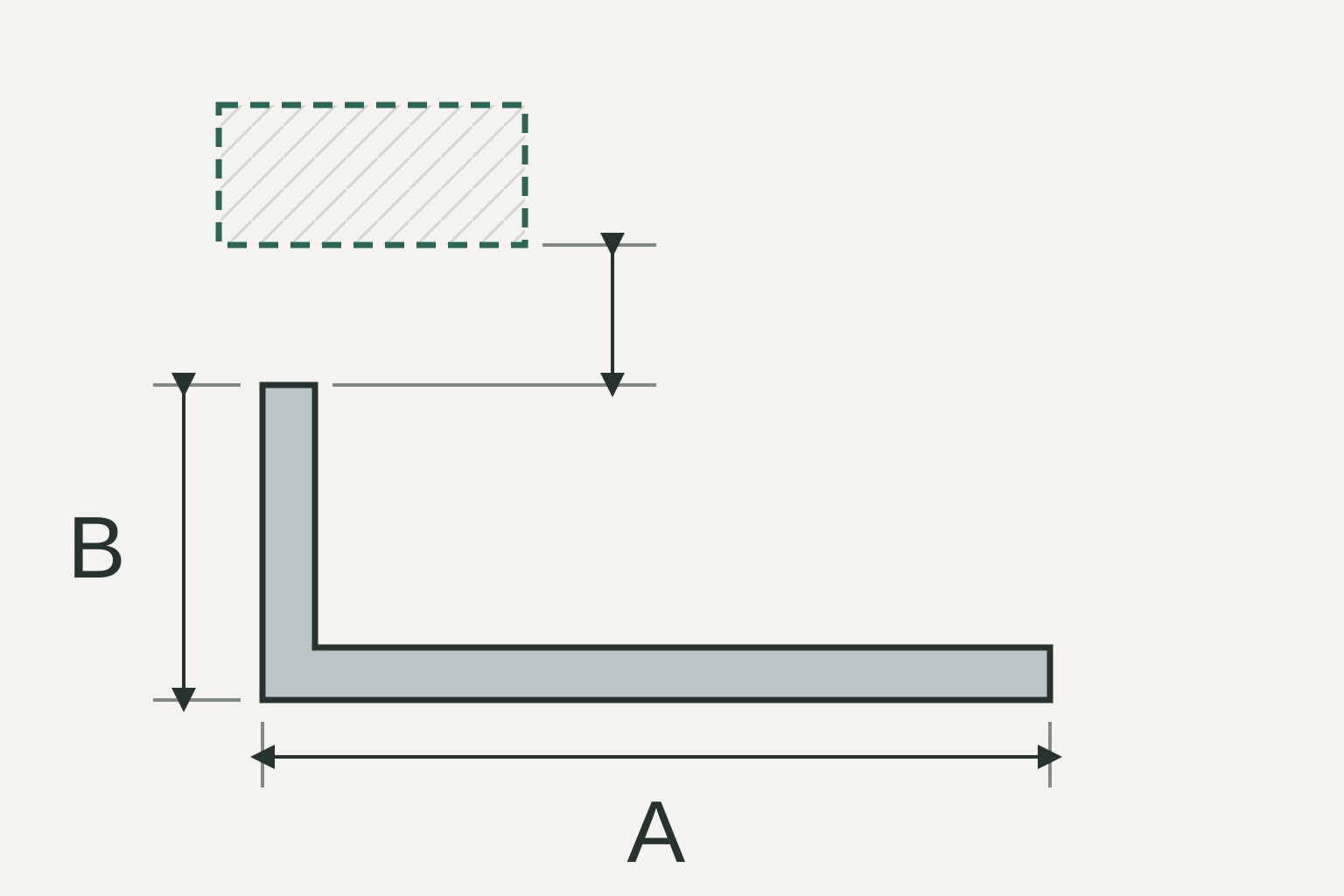
This page uses A and B for the outside leg lengths, with long leg A first, and t for nominal thickness. List finished length and quantity separately. Inside clearance also depends on thickness and radius; send a drawing if your dimension convention differs.
Why can the right leg dimensions still give a poor corner fit?
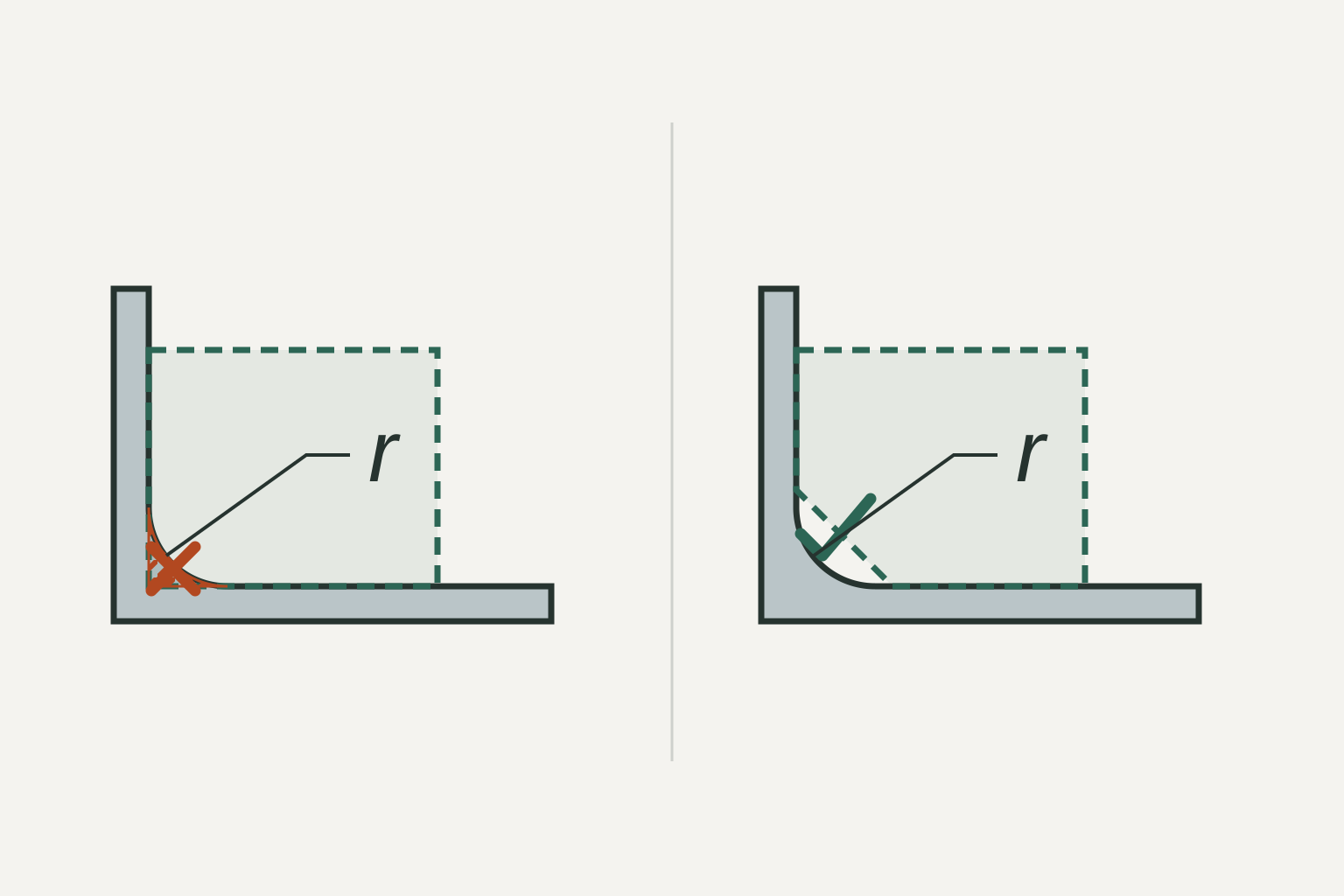
The inside fillet can overlap a square-edged mating part even when both nominal legs match. Check the selected section radius and the mating part together. Any chamfer or relief must be dimensioned on the approved drawing; the illustrated clearance does not prescribe a universal relief size.
Can T6 replace T5 in my order?
T5 follows cooling from an elevated-temperature shaping process with artificial aging; T6 follows solution heat treatment with artificial aging. Keep 6063-T5 explicit in the order and assess any proposed temper change against the design, fabrication and acceptance requirements. [3]
Can I request anodizing or powder coating?
Yes, include the requested finish, exposed faces, color and coating criteria in the inquiry for review. 6063-T5 responds well to anodizing, but this material characteristic does not confirm a finishing service or the final appearance of your order. [3]
Are the reference sizes in stock, and what is needed for a quote?
The eight rows are third-party reference dimensions, not APW stock records or a continuous size range. Send your Unequal Angle 6063-T5 section dimensions, units, cut lengths, quantities, finish and destination for supply review. Add a drawing or describe any unresolved fit question.
Does the wider leg establish a higher load rating?
No. An unequal angle needs assessment in its complete assembly: loads, span, installed orientation, connections and service conditions affect suitability. This page provides reference dimensions and material estimates, not a safe working load.
How is weight calculated, and does it include cutting waste?
For outside legs A and B and uniform thickness t in mm, ideal area S = t(A + B − t). At an assumed density of 2,700 kg/m³, theoretical kg/m = S × 0.0027. For 50.80 × 25.40 × 3.175 mm and 100 one-metre pieces, using the unrounded mass gives approximately 62.60 kg of finished material. Actual radii and coatings can change mass. Kerf, end trimming, remnants, packing and freight allowances require separate calculations.